11 hr 30 min
Badami, Aihole & Pattadakal Heritage Circuit
Journey through three ancient Chalukyan sites in Karnataka's temple architecture heartland
Reserve
Four centuries of rock-cut devotion, a hundred steps above the Agastya reservoir
Hand-picked by our editors — only the best 6 itineraries from 24 reviewed.
Verified partners for Hampi to Badami tours, free cancellation where available, and instant confirmation on every booking.
11 hr 30 min
Journey through three ancient Chalukyan sites in Karnataka's temple architecture heartland
Reserve
72 hr
Explore ancient Chalukyan cave temples, sacred lakes, and over 100 architectural masterpieces
Reserve
10 hr
Discover ancient cave temples, clifftop fortresses, and Chalukya dynasty treasures on a guided journey.
ReservePrices from verified partners. Availability updates in real time at checkout. Free cancellation policies apply where shown.
The landmarks, rooms, and views travelers on Hampi to Badami tours remember — all visible on a single visit.
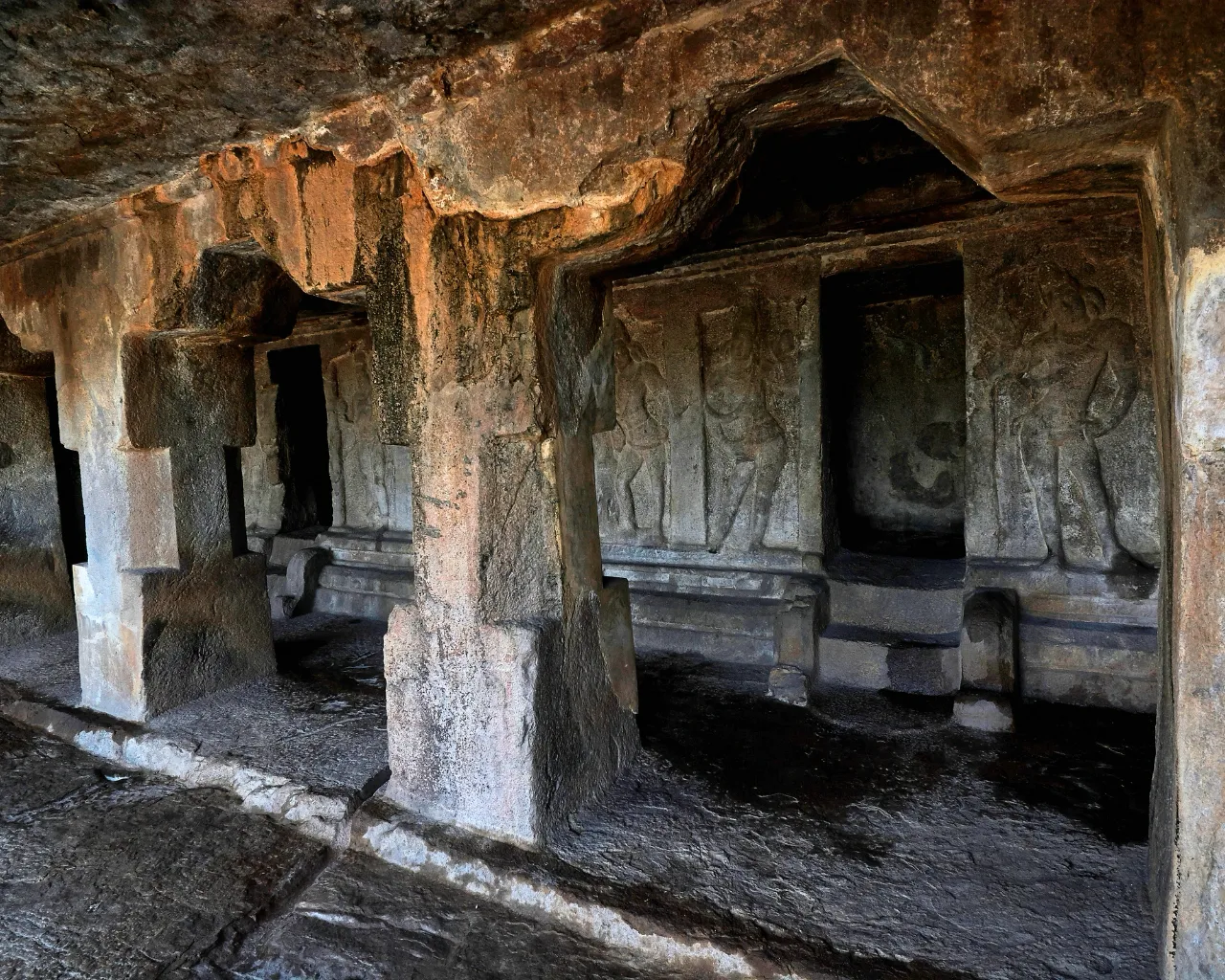
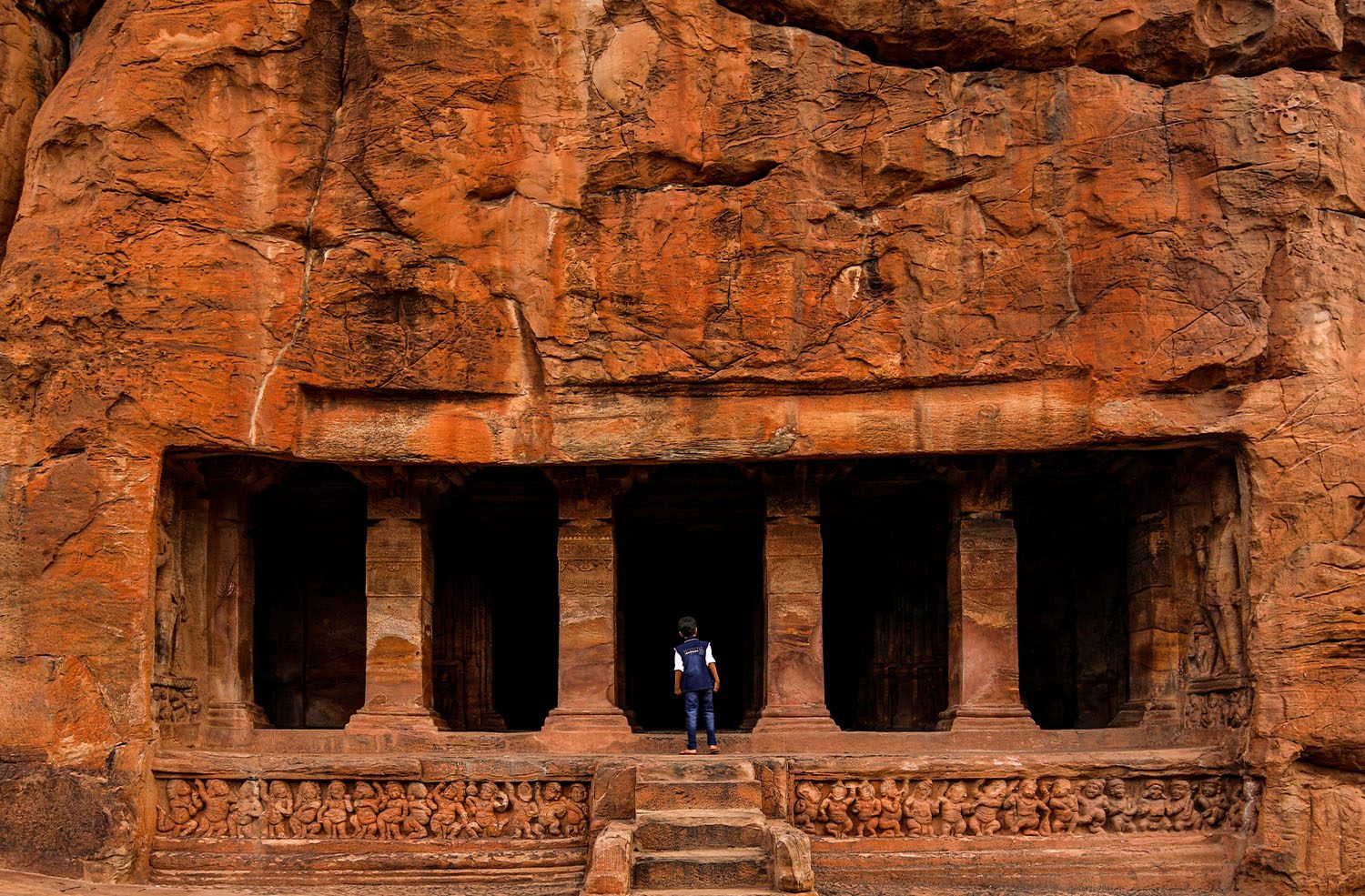
Dedicated to Lord Shiva, this cave features a notable relief of Nataraja with 18 arms. The rock-cut ceiling contains detailed lotus carvings.
This temple is dedicated to Lord Vishnu in the form of Trivikrama. The entrance features two dwarapalas guarding the sanctum.
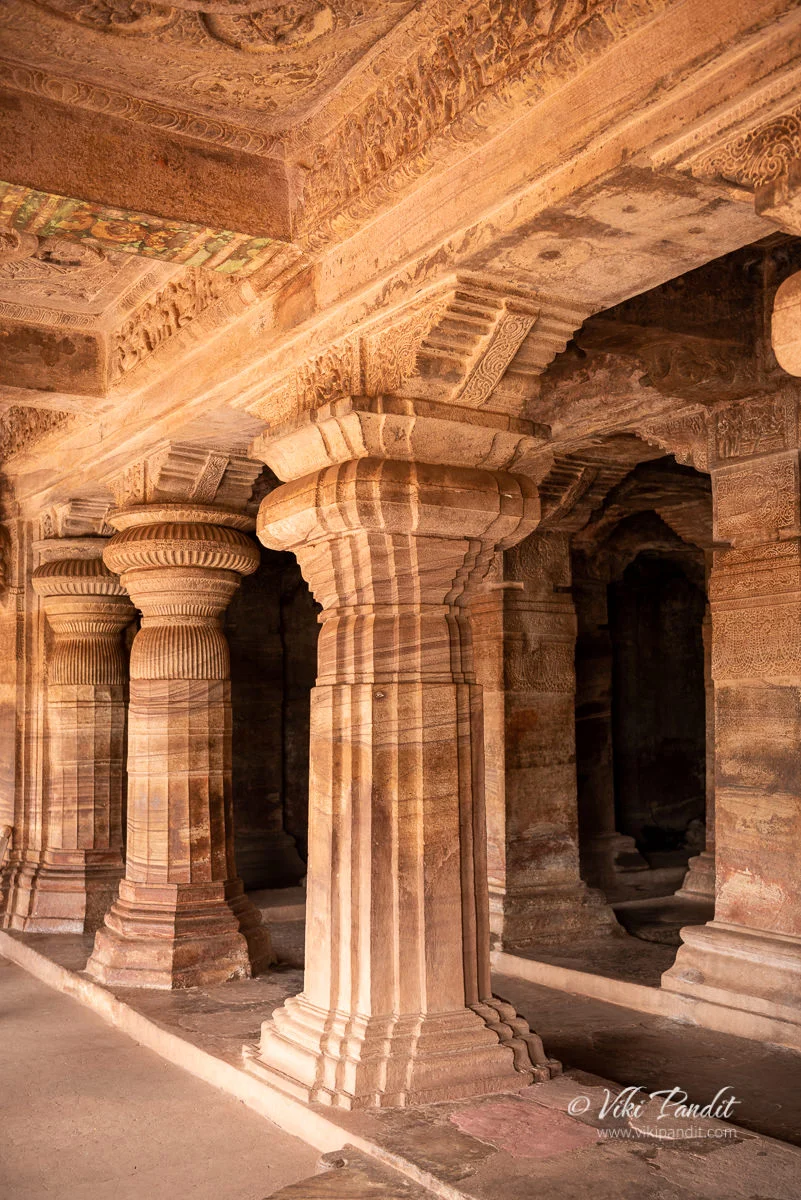
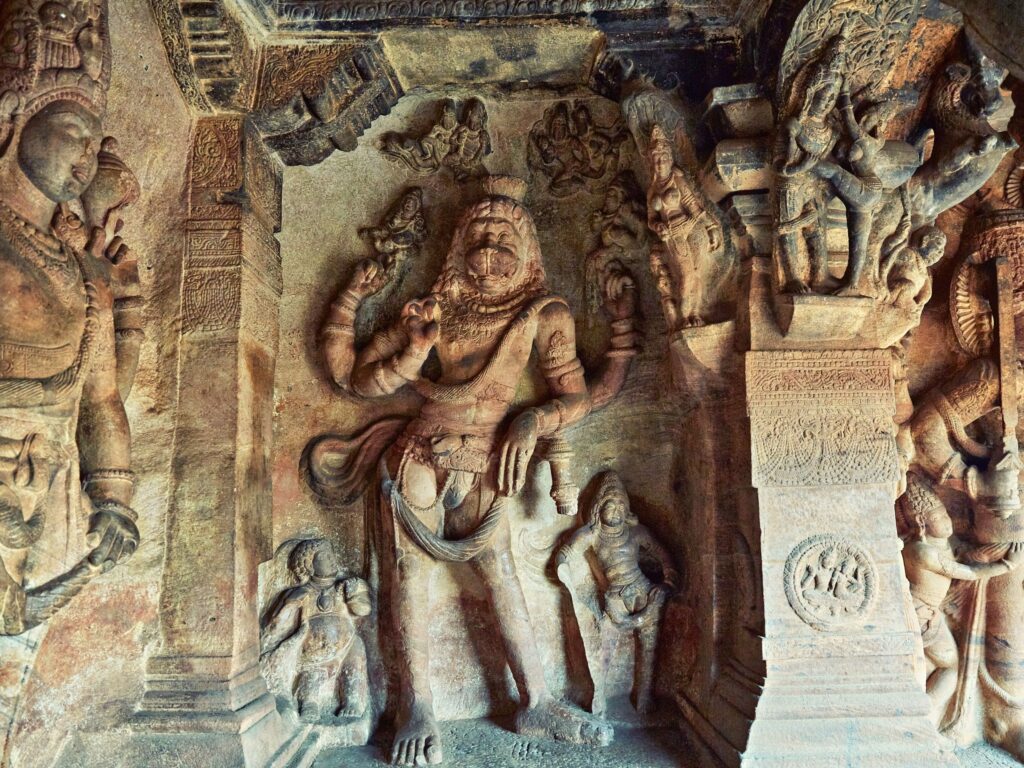
The largest of the four caves, this temple dates back to 578 AD. It features intricate carvings of Narasimha and Harihara.
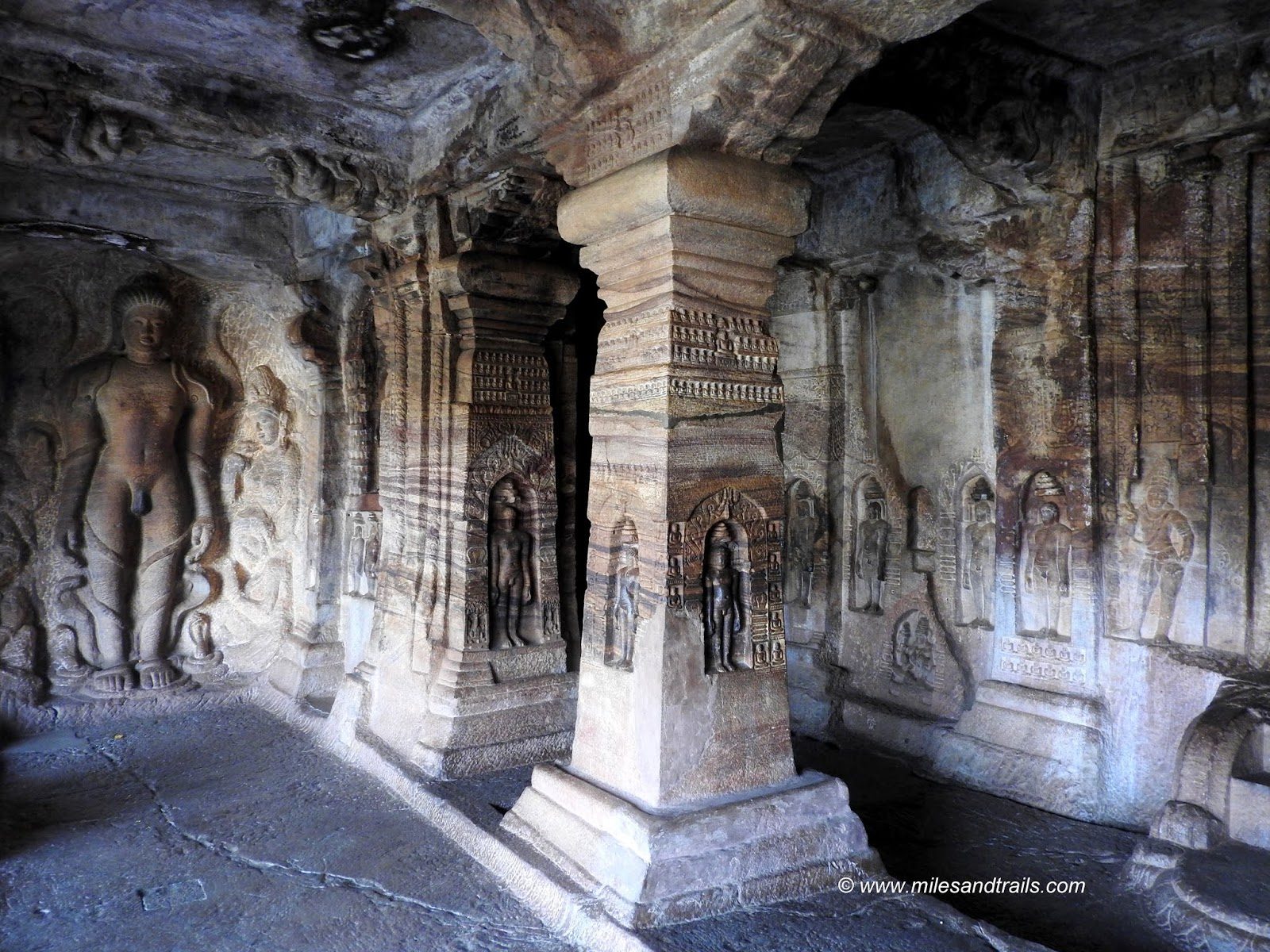
A dedicated Jain temple situated at the furthest end of the cliff. The internal carvings depict Mahavira and other Tirthankaras.
Every Hampi to Badami tour side-by-side — duration, what's included, how you redeem.
| Experience | Duration | Transfers | Skip-the-line | Guide | Small group | Free cancel. | Price | |
|---|---|---|---|---|---|---|---|---|
|
Guided Experience Most popular
Badami, Aihole & Pattadakal Heritage Circuit
|
11 hr 30 min | ✓ | ✓ | ✓ | ✓ | ✓ | €138 | Book → |
|
Guided Experience
3-Day Badami UNESCO Heritage Tour
|
72 hr | ✓ | ✓ | ✓ | ✓ | ✓ | €321 | Book → |
|
Guided Experience
Badami Heritage Day Tour from Hampi
|
10 hr | ✓ | ✓ | ✓ | ✓ | ✓ | €90 | Book → |
All prices from verified partners. Availability and exact terms confirmed at checkout.
While the cave shrines offer intimate, carved sandstone interiors, the temple complexes provide expansive outdoor structural landscapes, making these hampi to badami tour tours best experienced as a combined itinerary.
| Feature | Top pick Badami Caves | Pattadakal & Aihole |
|---|---|---|
Architectural Type |
Rock-cut cliff shrines | |
Primary Focus |
Internal deity sculptures | |
Time Required |
2–3 hours | |
Proximity to Badami Town |
Within town limits | |
Visual Impact |
Vertical cliff elevation | |
Historical Significance |
UNESCO heritage context | |
| See tickets → |
Verdict: Choose the Badami cave site for detailed rock-cut artistry, or prioritize the hampi to badami tour tickets for a broader survey of structural Hindu architecture across the region.
Choose your ticket, select your date, and reserve in under two minutes. Secure checkout handled by our verified partner.
Instant confirmation by email, with a mobile voucher you can save offline. No printing, no queuing at a collection desk.
Arrive at the entrance, show your voucher on your phone, and walk in. Most tickets include priority or skip-the-line access.
Practical details for Hampi to Badami tickets straight from our verified partners — hours, access, rules, and how to get there.
Badami, Karnataka 587201
Look for the ASI ticket counter
Open in Google MapsDriving from Hampi takes approximately 4 to 5 hours via state highways. Parking is available near the base of the rock-cut temples.
Frequent KSRTC buses run from Hampi to Badami with a transit in Hosapete. Budget at least 6 hours for this transit.
Visitors should dress modestly by covering shoulders and knees out of respect for the religious significance of the caves. This is especially important when entering active shrines.
Small daypacks are permitted, but large luggage must be left in your vehicle. Security personnel operate at the main entrance gate.
Handheld photography is permitted in most outdoor areas of the site. Tripods and professional video equipment require prior written permission from the archaeological office.
The path to the main cave temples involves approximately 100 steps. The terrain consists of uneven, weathered sandstone that can be slippery when dry.
Mobile phones are permitted for personal use. Maintain silence while exploring the inner chambers of the cave temples.
Young children require close supervision due to the steep rock faces and open ledges. The area is largely unshaded, so carry extra water for minors.
Eating inside the rock-cut temple area is strictly prohibited to maintain cleanliness. Drinking water is allowed, but ensure all trash is carried out.
Pets are not allowed inside the protected monument site. Service animals may be permitted with prior documentation.
The hampi to badami tour covers sites managed by the Archaeological Survey of India. Always follow posted signage and avoid touching delicate carvings.
Best time to go, insider tips, nearby landmarks, and the cancellation fine print — flip through to skim what matters to you.
How crowds, weather, and events shift across the year.
November to February offers the most comfortable temperatures for walking the sandstone paths.
March to May experiences extreme heat; schedule your hampi to badami tour for the early morning hours.
June to September brings humidity and potential rain, which makes the steps quite slippery.
Small details that turn a good visit into a great one.
Arrive at 09:00 to avoid the midday sun when the sandstone reflects intense heat.
The ancient stone steps are smooth and worn, necessitating shoes with good traction.
Hire an ASI-approved guide to understand the complex iconography within the caves.
Carry at least 2 liters of water per person, as vendors are scarce within the monument grounds.
Visit during the golden hour to capture the deep red hues of the cliffs.
Non-bookable sights within a short walk — free to visit, easy to pair.
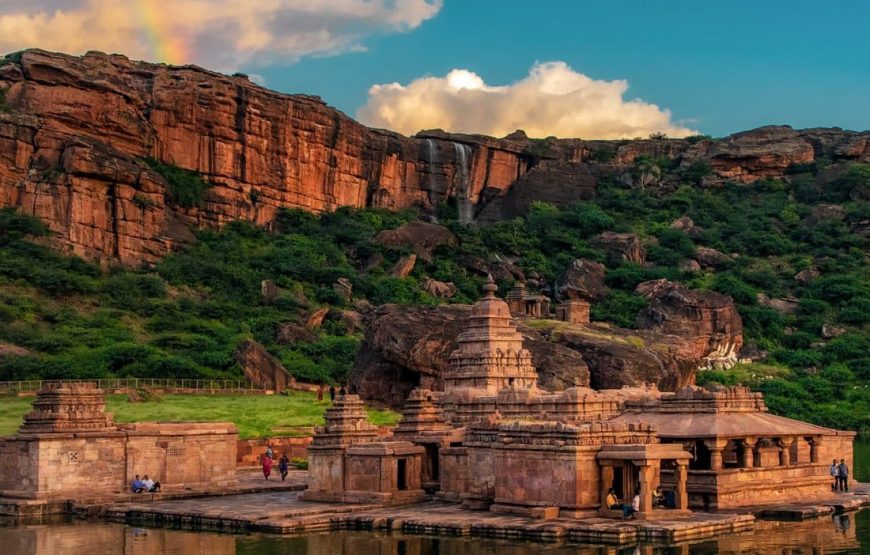
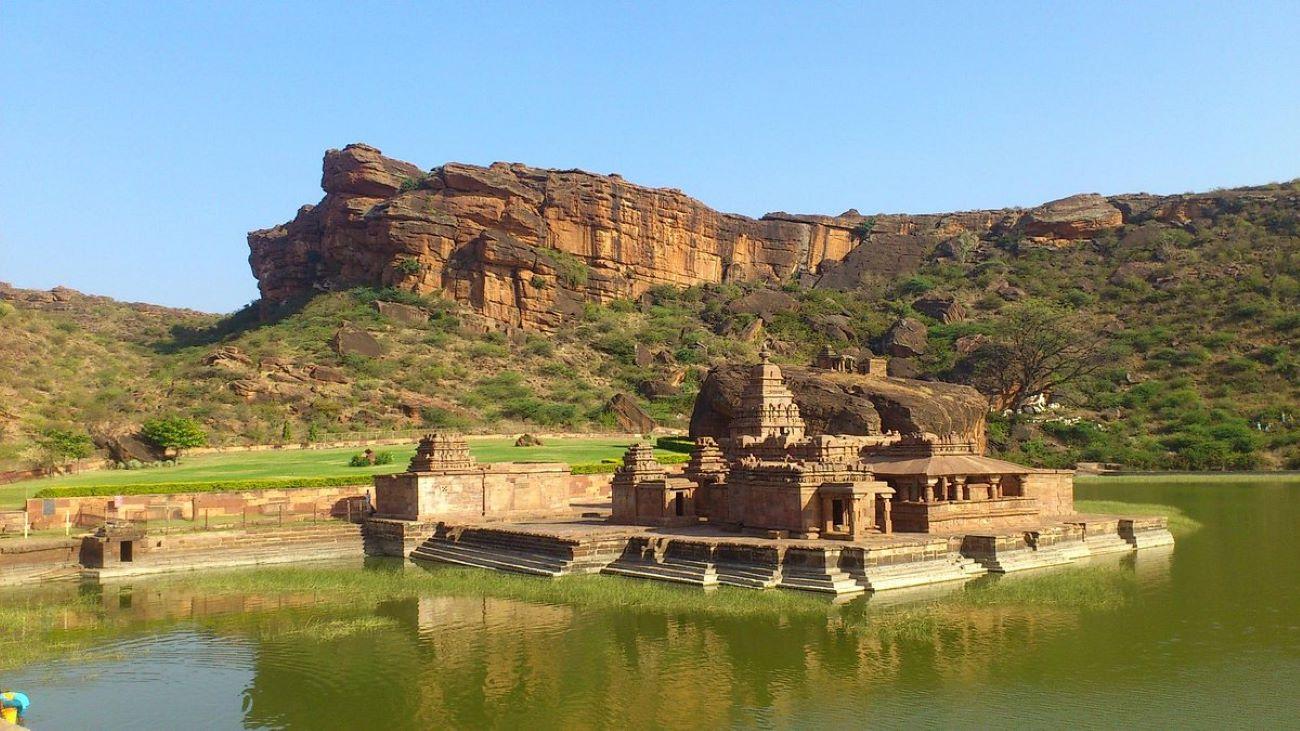
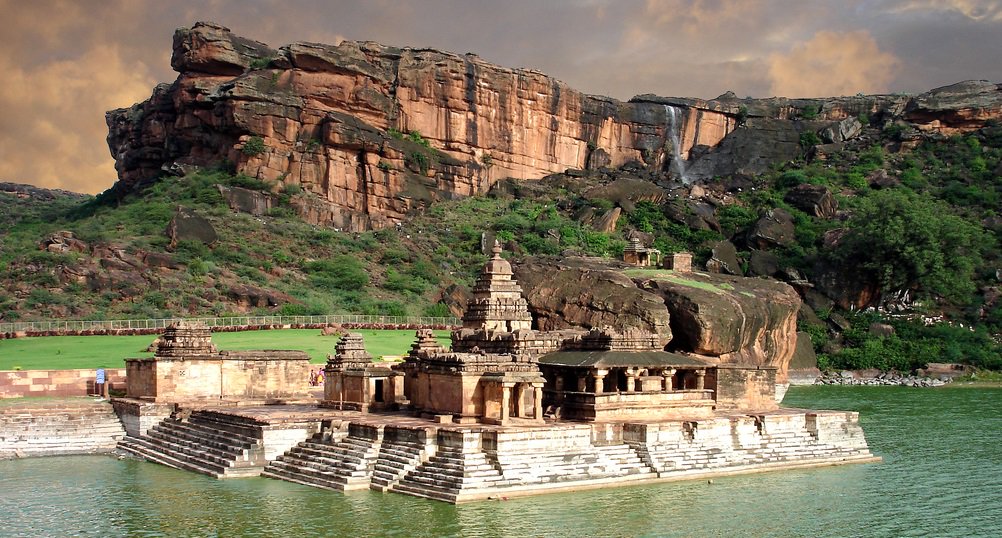
Dedicated to Shiva, located on the eastern bank of the tank. The green water of the lake provides a stark contrast to the sandstone architecture.
A historic man-made water reservoir surrounded by red sandstone cliffs. Local pilgrims visit the tank for ritual bathing.
Flexible, no hidden fees.
The conservation fee of 100 INR per person is non-refundable. Please confirm your hampi to badami tour travel dates prior to purchase.
Hand-picked options within walking distance — pick a district for vibe, or a specific hotel for convenience.
A comfortable option providing air-conditioned rooms and guided tours.
Various local guesthouses located near the main town entrance.
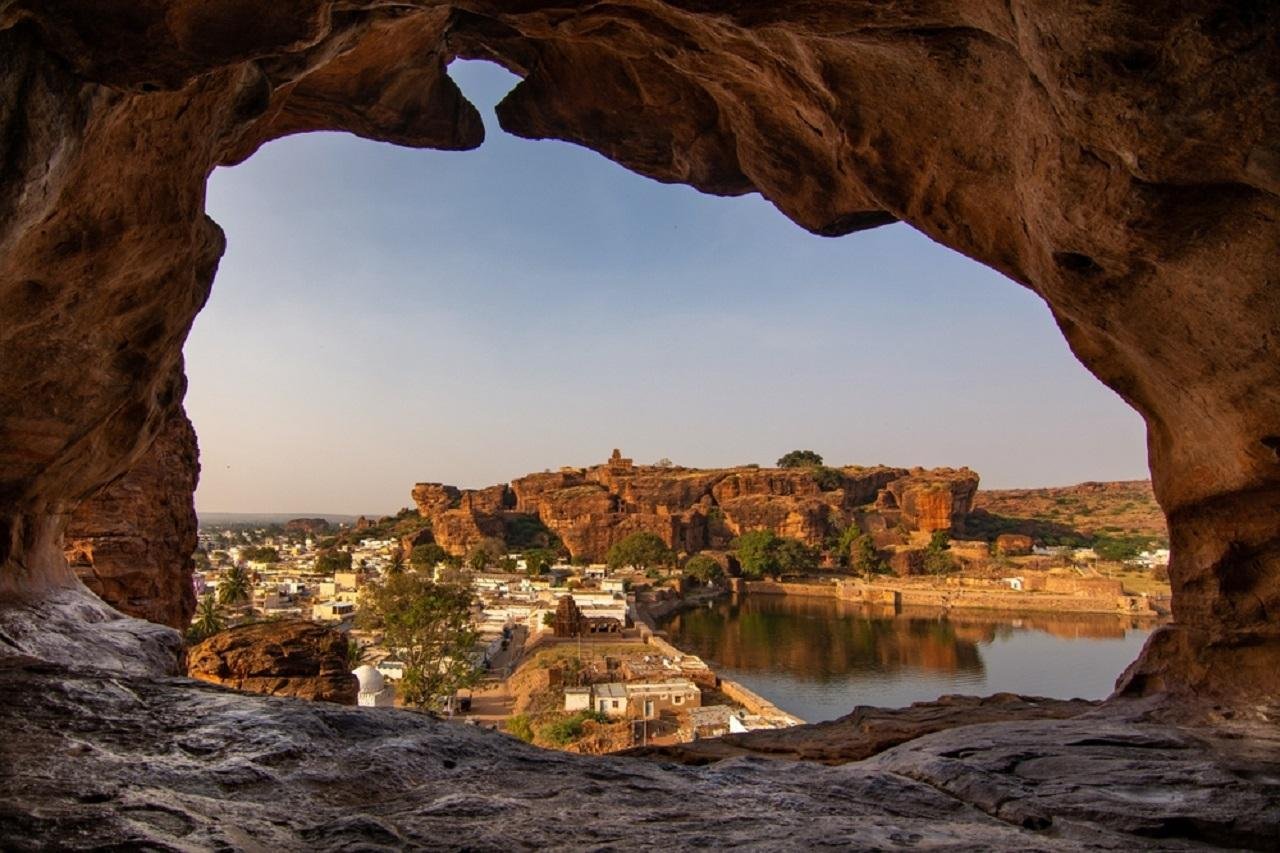
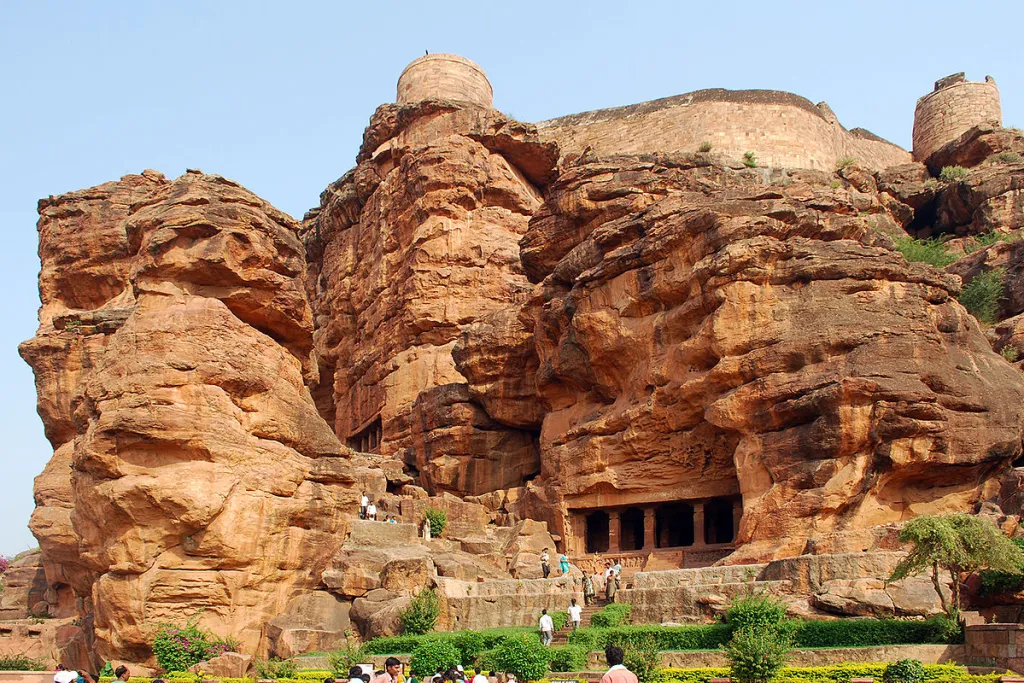
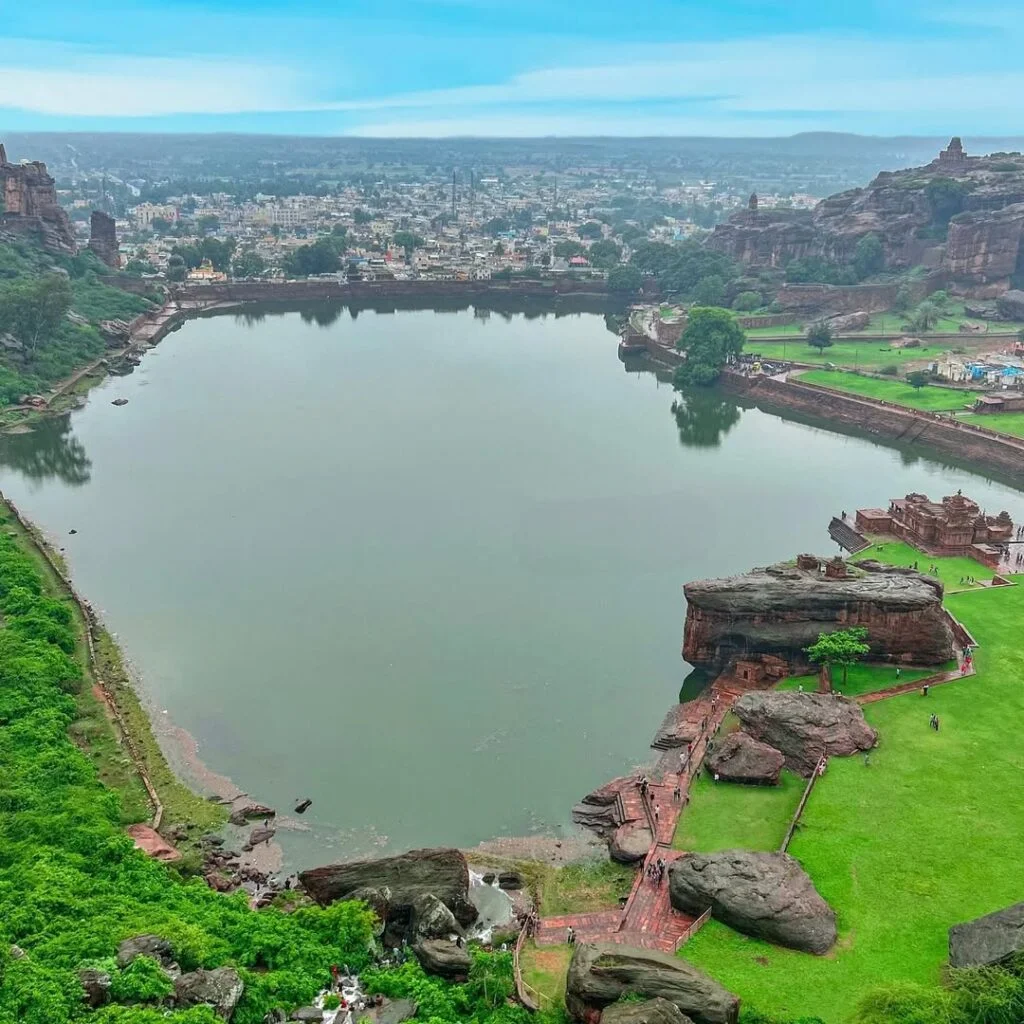
The four cave temples at Badami were carved between 543 and 757 CE, when the Chalukya dynasty ruled from this red sandstone outcrop over the Agastya reservoir.
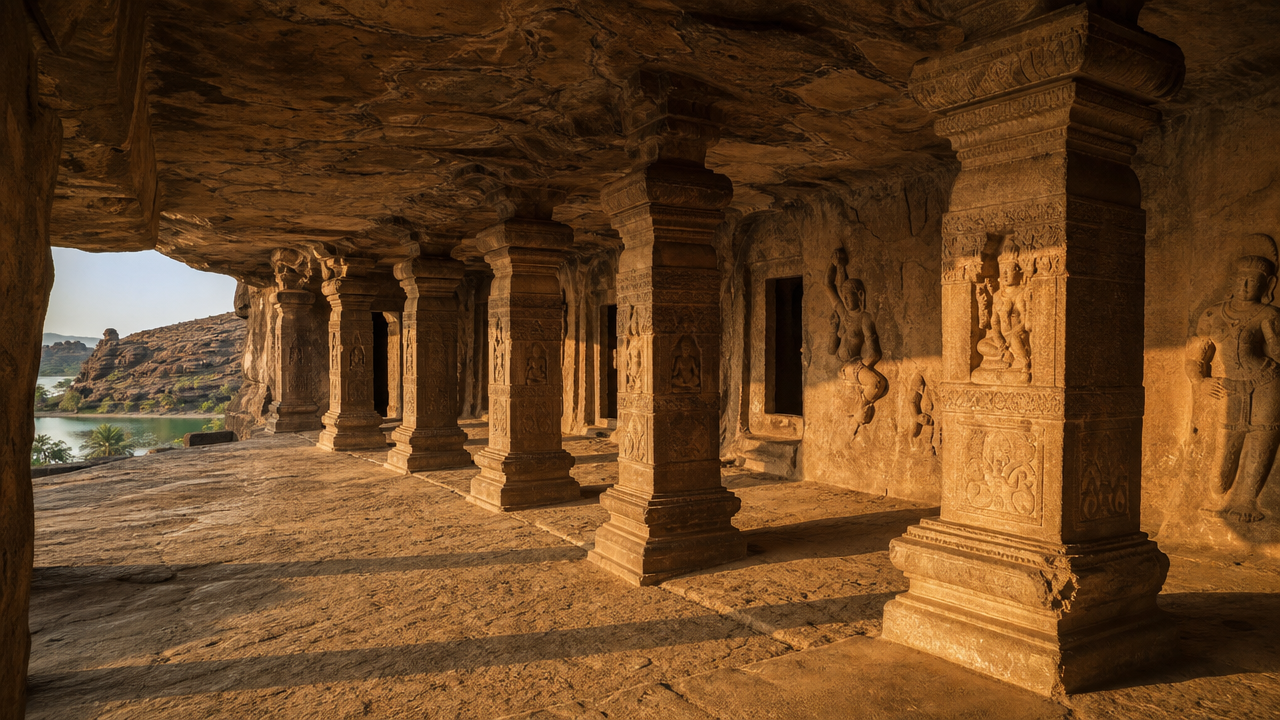
Each cave ascends a cliff face in sequence: Cave 1 dedicated to Shiva, Cave 2 and Cave 3 to Vishnu, and Cave 4 — the only Jain excavation — completed a century after the others. Cave 3, dated precisely to 578 CE by its inscription, remains the largest and most ornate, its ceiling panels depicting the Trivikrama and Varaha avatars in high relief. The pillars carry bracket figures of celestial dancers frozen mid-movement, their jewelry and posture rendered in a naturalism that prefigures classical sculpture centuries later.
Badami served as the Chalukyan capital until 642 CE, when the Pallavas briefly seized it before the dynasty reclaimed the site and shifted administrative weight southward. The town's strategic position — cliffs on three sides, a man-made tank on the fourth — made it both fortress and ceremonial center. Today the conservation fee supports Archaeological Survey of India restoration work across the cave complex and the Bhutanatha temples on the tank's eastern shore. The site opens daily from 09:00 to 17:30, with the first hour offering the coolest temperatures and the least crowding on the hundred steps that link the four caves.
Many visitors approach Badami as part of a hampi badami tour package, covering the 140-kilometer route in three to four hours by road. The hampi to badami tour itinerary typically allocates half a day for the cave temples, with departures timed to reach Badami by mid-morning. Operators running hampi badami tour from pune, hampi badami tour from mumbai, and hampi badami tour from bangalore structure the journey as a two-day circuit, pairing Badami with Aihole and Pattadakal to complete the Chalukyan triangle. A day trip to badami from hampi remains the most compact option, though it compresses exploration time. The hampi badami tourist places extend beyond the caves to include the North Fort, the museum in the cave complex forecourt, and the Agastya Lake promenade.
The rock-cut interiors preserve pigment traces in sheltered corners — ochre, lamp-black, lime white — evidence of the original polychromy that once animated every surface. Afternoon light enters Cave 3's veranda at an angle that throws the column carvings into sharp relief, a timing the Chalukyan architects calculated with precision. The site's endurance across fourteen centuries of monsoon and conquest speaks to both the sandstone's compressive strength and the Archaeological Survey's interventions since 1900.

"Cave 3, dated precisely to 578 CE by its inscription, remains the largest and most ornate, its ceiling panels depicting the Trivikrama and Varaha avatars in high relief."
A step-by-step walkthrough of Hampi to Badami tickets — what you'll see, how long each stage takes, and the details that matter.
You arrive at the cave complex entrance shortly after 09:00, when the ticket counter opens and the morning air still holds a trace of coolness. The conservation fee is settled — 100 rupees for foreign nationals — and you begin the ascent toward Cave 1.
The first flight of steps rises steeply, carved directly into the red sandstone, each tread worn smooth by centuries of pilgrims and present-day visitors on a hampi to badami tour.
Cave 1 opens to your right at the first landing. You step onto the veranda and pause as your eyes adjust. The eighteen-armed Nataraja dominates the left wall, his legs crossed in a dance pose, every bracelet and ankle bell defined in the stone. You move through the hall, noting the bracket figures overhead, then exit and continue upward. Cave 2 and Cave 3 follow in quick succession, each larger and more intricate than the last. In Cave 3 you linger beneath the Trivikrama panel, counting the rows of celestial attendants that frame Vishnu's cosmic stride.
The final climb to Cave 4 takes you to the highest point on the cliff. From the Jain temple's veranda you look out over Agastya Lake, the Bhutanatha shrines visible on the far shore. You descend slowly, retracing the hundred steps, and reach the lakeside by late morning. The water reflects the cliffs in a near-perfect mirror, and you walk the promenade before the midday heat settles in.
The site is open daily from 09:00–17:30. Ensure your schedule aligns with these hours to complete your hampi to badami tour.
The entrance fee is 100 INR per person for foreign nationals. This conservation fee is separate from standard hampi to badami tour tickets.
You will encounter 100 steps to access the main cave structures. Please prepare for physical exertion during your hampi to badami tour.
Yes, we recommend the 09:00–11:00 window to avoid mid-day heat and large crowds. This is the optimal time for an early start on your hampi to badami tour.
The monument is closed every Monday for maintenance. Please plan your hampi to badami tour accordingly.
The site features 100 steep, uneven steps which may be challenging. Assessing your physical readiness is advised for this tour.
Bring sunscreen, a hat, sturdy walking shoes, and water. A comfortable bag is essential for your hampi to badami tour.
Handheld photography is permitted for personal use. Professional gear requires special permission for your hampi to badami tour.
We suggest allocating at least 3 hours for the primary cave temples. This ensures a thorough experience for your hampi to badami tour.