11 hr 30 min
Badami, Aihole & Pattadakal Heritage Tour from Hampi
Full-day exploration of three ancient Chalukyan capitals with cave temples, UNESCO sites, and architectural treasures
Reserve
Hand-picked by our editors — only the best 5 heritage experiences from 12 reviewed.
Verified partners for every tour, free cancellation where available, and instant confirmation on every booking.
11 hr 30 min
Full-day exploration of three ancient Chalukyan capitals with cave temples, UNESCO sites, and architectural treasures
Reserve
10 hr
Journey through centuries of Chalukyan history with rock-cut sanctuaries, hilltop fortifications, and ancient lakeside shrines
Reserve
8 hr
Journey through ancient ruins, royal monuments, and sacred temples with a traditional lunch and coracle river ride
ReservePrices from verified partners. Availability updates in real time at checkout. Free cancellation policies apply where shown.
The landmarks, rooms, and views travelers on this tour remember — all visible on a single visit.
Features an 18-armed Nataraja sculpture reflecting the deity's cosmic dance.
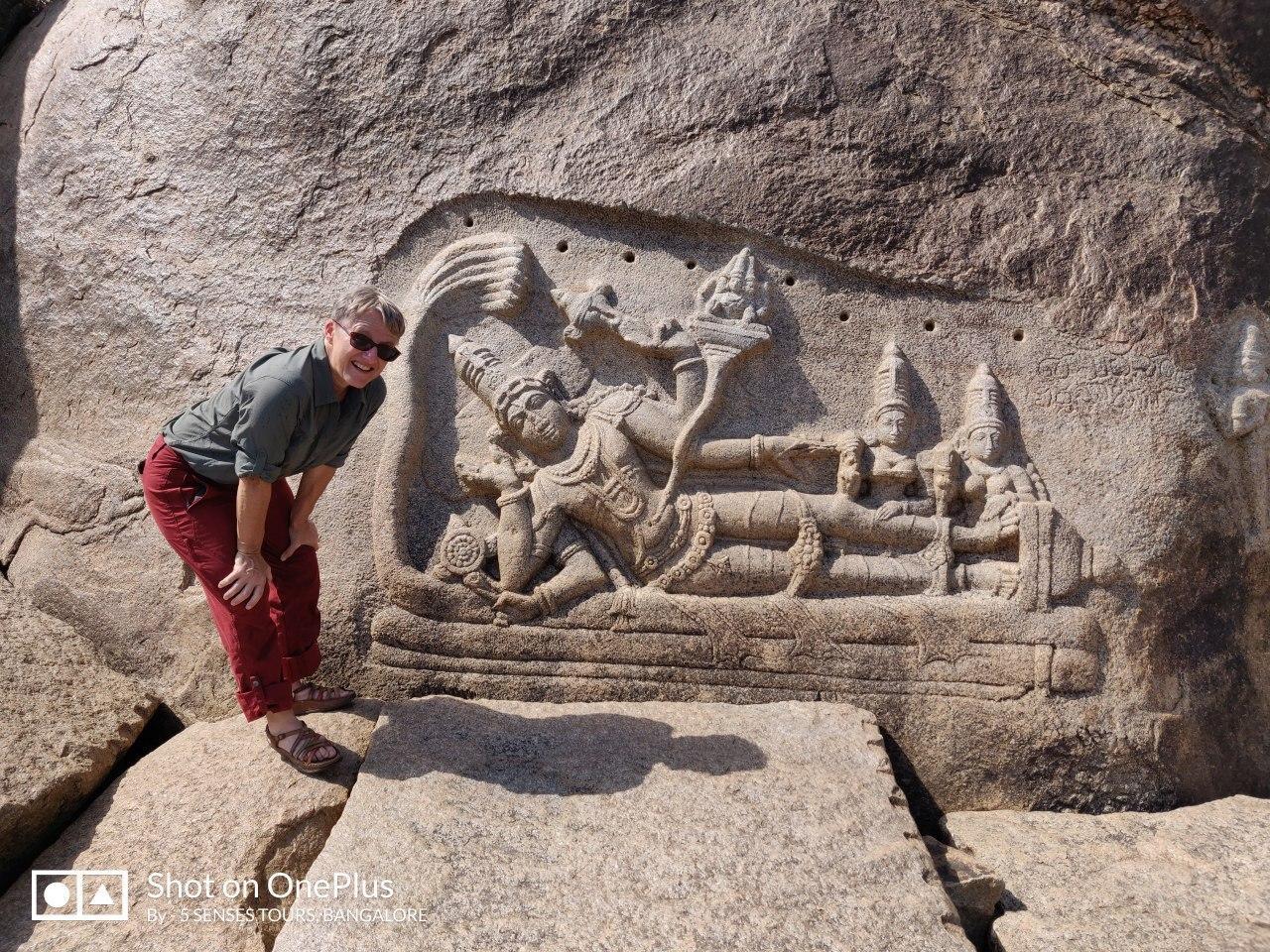
Dedicated to Vishnu with impressive carvings of Trivikrama and Varaha avatars.
The most elaborate structure with deep pillared halls and intricate ceiling frescoes.
The only dedicated Jain cave featuring statues of Mahavira and Parshvanatha.
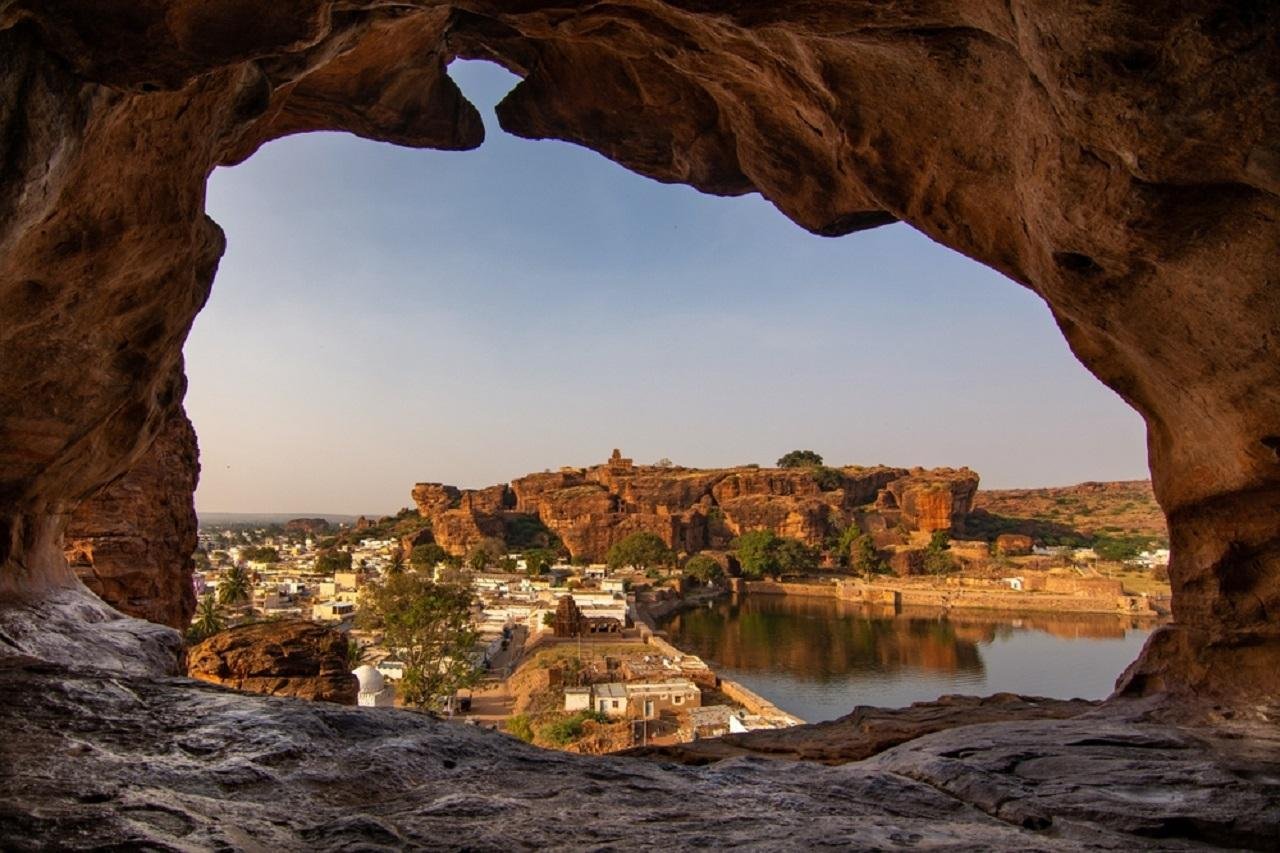
Provides a serene vantage point of the historic reservoir and hillside temples.
The multi-day circuit is superior for those seeking a deep dive into Chalukyan architecture, while the day trip to badami from hampi tours provide an efficient overview for time-constrained travelers.
| Feature | Top pick Badami Day Trip | 3-Day Chalukyan Heritage Circuit |
|---|---|---|
Time Investment |
1 day | 3 days |
Scope of Sites |
Badami caves and temple | Badami, Pattadakal, and Aihole |
Travel Pace |
High intensity | Moderate and relaxed |
Historical Depth |
Concentrated highlight reel | Comprehensive chronological study |
Energy Requirement |
Moderate | Low to moderate |
Suitable For |
Weekend explorers | Heritage enthusiasts |
| See tickets → |
Verdict: Choose the day trip to badami from hampi tickets if your itinerary is limited, or opt for the 3-day circuit if you prefer to experience the full scope of regional sandstone monuments.
Choose your ticket, select your date, and reserve in under two minutes. Secure checkout handled by our verified partner.
Instant confirmation by email, with a mobile voucher you can save offline. No printing, no queuing at a collection desk.
Arrive at the entrance, show your voucher on your phone, and walk in. Most tickets include priority or skip-the-line access.
Practical details for your visit straight from our verified partners — hours, access, rules, and how to get there.
Badami, Karnataka 587201
Main parking and ticket booth area.
Direct drive via highway from Hampi takes approximately 3-4 hours depending on traffic.
Modest clothing covering shoulders and knees is recommended out of respect for the religious heritage of this site.
Large backpacks and bulky luggage are prohibited inside the cave complex; maintain security by keeping personal items close.
Photography is permitted throughout the site; however, do not use flash inside the caves to preserve the ancient pigments.
The site requires climbing 50 steps; paths are carved into uneven rock and are not wheelchair accessible.
The site is family-friendly, though parents should supervise children closely near the steep cliff edges and uneven stone surfaces.
Eating and drinking are strictly prohibited inside the monument area to protect the integrity of the rock carvings.
Best time to go, insider tips, nearby landmarks, and the cancellation fine print — flip through to skim what matters to you.
How crowds, weather, and events shift across the year.
Cool, pleasant weather averaging 15°C to 30°C, ideal for extensive walking tours.
Small details that turn a good visit into a great one.
Reach by 09:00 to avoid the intense afternoon heat and large tour groups.
Non-bookable sights within a short walk — free to visit, easy to pair.
A historic man-made reservoir offering reflection views of the surrounding sandstone cliffs.
Flexible, no hidden fees.
Entry fees are non-refundable once processed. The 300 INR conservation fee for foreign tourists is mandatory for access.
Hand-picked options within walking distance — pick a district for vibe, or a specific hotel for convenience.
Government-run accommodation conveniently located near the primary tourist sites.
Badami's four cave temples were carved directly into Deccan sandstone cliffs between 543 and 757 CE, each chamber a hymn in stone commissioned by successive Chalukya kings. The site sits 140 kilometres east of Hampi, nestled against the crimson escarpment that frames Agastya Lake, and served as the Chalukya dynasty's first capital before power shifted to Pattadakal. What distinguishes Badami from other rock-cut sanctuaries across India is the architectural conversation inscribed in its geology: Cave 1 honours Shiva, Cave 2 Vishnu, Cave 3—the largest and most ornate—depicts eighteen arms of Vishnu in a single eighteen-armed relief spanning three metres, and Cave 4, carved a century later, belongs to the Jain tirthankara Mahavira. The progression records not only devotional pluralism but also the refinement of Chalukya sculptural technique, from the early sixth-century experiments in Cave 1 to the confident bas-relief narratives in Cave 3, where dancers freeze mid-motion and celestial musicians tilt their heads toward silent ragas. Today, a day trip to Badami from Hampi remains the most direct route into Chalukya architecture, and the three-hour drive threads through cotton fields, laterite quarries, and villages where hand-loomed saris dry on courtyard lines. The conservation fee of 300 rupees per foreign visitor funds Archaeological Survey of India restoration work, including stabilization of the cave interiors where humidity and bat colonies have threatened pigment survival. Fifty steps lead from the ticket counter to the first cave, and the ascent rewards climbers with a panorama that stretches across the artificial lake to the Bhutanatha temples, seventh-century shrines half-submerged during monsoon months. The lake itself was engineered by damming the natural basin, a hydraulic feat that predates the Vijayanagara Empire by eight centuries and speaks to the Chalukyas' command of both devotional and civic architecture. Most guided excursions from Hampi pair Badami with Aihole and Pattadakal, forming a triangular heritage circuit that can be completed in a single day. Aihole, twenty-two kilometres northeast, holds over a hundred temples in varying states of preservation and is considered the laboratory where Chalukya architects first tested the structural vocabulary later perfected at Pattadakal. Pattadakal, a UNESCO World Heritage Site, displays the culmination of that vocabulary in ten temples that synthesize Dravidian and Nagara idioms. Together, the three sites map the evolution of southern Indian temple design across two centuries, and a day trip to Badami from Hampi tickets grant access to all three nodes of this architectural lineage. The best arrival window falls between 09:00 and 11:00, before the afternoon sun turns the exposed sandstone into a radiator and crowds converge from Bengaluru and Hubballi.
"Fifty steps lead from the ticket counter to the first cave, and the ascent rewards climbers with a panorama that stretches across the artificial lake to the Bhutanatha temples."
A step-by-step walkthrough of the visit — what you'll see, how long each stage takes, and the details that matter.
You leave Hampi before sunrise, the road east unwinding past banana groves and wind turbines, and by the time your vehicle rounds the final curve into Badami the cliffs glow rust-orange in the morning light. You pay the 300-rupee conservation fee at the entrance gate, collect your ticket, and begin the fifty-step climb toward Cave 1. The first chamber opens cool and dim, its columned verandah framing Agastya Lake below, and you pause to trace the Shiva relief on the rear wall—Nataraja caught mid-tandava, one leg raised, eighteen arms radiating like spokes. Cave 2 lies thirty metres higher, smaller, devoted to Vishnu in his boar and dwarf avatars, and the sandstone here bears faint ochre pigment that survived fifteen centuries of monsoon seepage. Cave 3 demands the longest ascent and repays it with the most expansive interior: a twelve-columned hall where every capital is carved into a different bracket figure, and the eighteen-armed Vishnu spans the back wall in a composition so dense with detail you need ten minutes to register the miniature scenes nested in each panel. You step onto the verandah and look south across the water to the Bhutanatha temples, their shikhara towers reflected in the still surface, then climb the remaining stairs to Cave 4, the Jain sanctuary, where tirthankara figures sit in padmasana beneath stone parasols. By noon the temperature has climbed, and you descend to the lakeshore where a small canteen serves filter coffee and fried banana chips before your guide steers the group toward Aihole, twenty-two kilometres north, where another hundred temples wait in open fields.
The Badami cave temples are open daily from 09:00–17:30.
The conservation fee for foreign tourists is 300 INR per person for the day trip to badami from hampi.
There are 50 steps to reach the main cave complex level on your day trip to badami from hampi.
We recommend the arrival window of 09:00–11:00 to beat the heat during your day trip to badami from hampi.
Food and drinks are prohibited inside the Badami monument area.
Yes, photography is allowed, but please avoid using flash inside the caves during your day trip to badami from hampi.
The site is not wheelchair accessible due to the uneven, steep stone steps at the Badami site.