Hampi To Badami Tour
Tours & tickets

Hand-picked by our editors — only the best 5 experiences from 47 reviewed.

Open today 09:00–17:30
Attendance: Moderate — summer heat
Arrive before 11:00 to avoid the midday sun and peak crowds.
Free cancellation Instant confirmation Mobile voucher Verified partner Skip-the-line
Tickets

Choose your ticket

Verified partners for every tour, free cancellation where available, and instant confirmation on every booking.

Full-Day Hampi Archaeological Discovery from Hospet 8 hr
Guided Experience

Full-Day Hampi Archaeological Discovery from Hospet

5 (3)
€68
per person
Instant Mobile voucher Flexible — change up to 24h

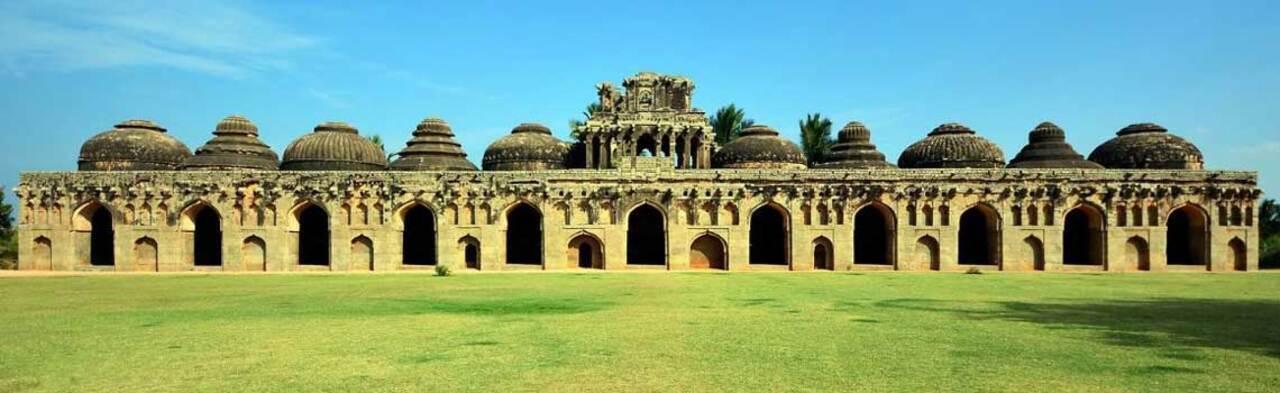
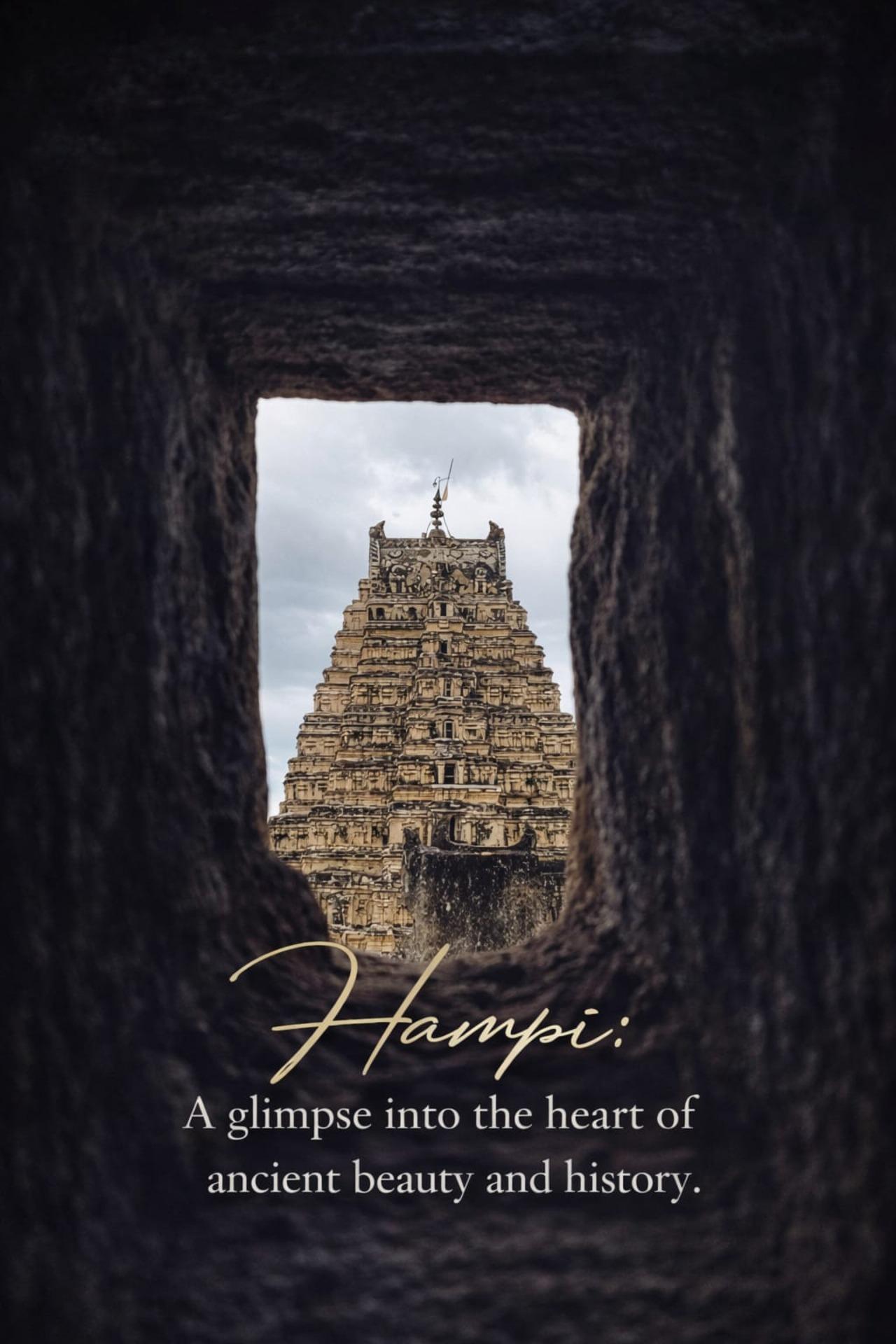
Explore over 1,600 monuments across a UNESCO World Heritage Site spanning 4,100 hectares

Reserve
Hampi Royale: Full-Day Heritage Tour in Air-Conditioned Comfort 8 hr
Guided Experience

Hampi Royale: Full-Day Heritage Tour in Air-Conditioned Comfort

4.7 (4)
€81
per person
Instant Mobile voucher Flexible — change up to 24h

Explore UNESCO monuments, royal ruins, and sacred temples across eight hours of guided discovery

Reserve

Prices from verified partners. Availability updates in real time at checkout. Free cancellation policies apply where shown.

Highlights

What you'll see inside the attraction

The landmarks, rooms, and views travelers on this tour remember — all visible on a single visit.

Cave 1

Dedicated to Lord Shiva, this cave features a famous 18-armed Nataraja sculpture showing intricate dance poses.

Cave 2

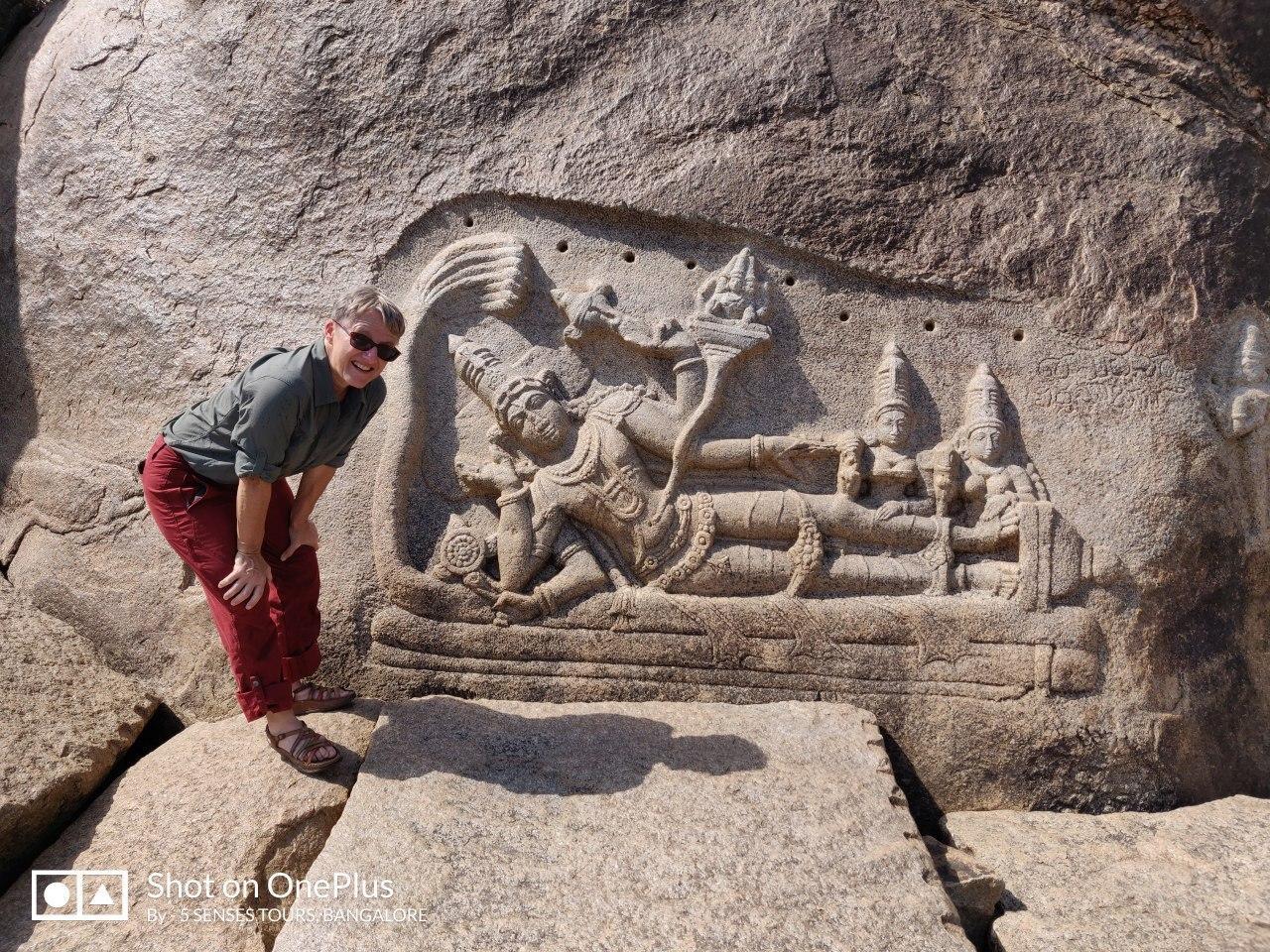
This cave is dedicated to Lord Vishnu and contains impressive carvings of Trivikrama and Varaha avatars.

Cave 3

The largest and most elaborate cave, dating to 578 CE, with detailed sculptures and ceiling paintings.

Cave 4

The only Jain cave in the complex, featuring serene statues of Lord Mahavira and Parshvanatha.

Agasthya Lake

The scenic man-made lake at the base of the caves, perfect for panoramic views of the red sandstone cliffs.

Head to head

Hampi to Badami Tour Package or Hampi Ruins Explorer: Which Should You Choose?

They complement each other; most visitors who do both call the Hampi Archaeological Ruins Circuit the more sprawling experience while the Badami heritage sites offer a more concentrated, intense architectural study. Choosing a hampi to badami tour package helps travelers manage the transit between these two distinct UNESCO heritage locations effectively.

Feature Top pick Badami Heritage Hampi Ruins Circuit
Focus
Sprawling ruins and landscape
Time Commitment
2–3 days
Physical Effort
High (extensive walking)
Geographic Scope
41 square kilometers
Historical Era
Vijayanagara Empire
Cultural Intensity
Broad socio-religious history

Verdict: Select the Badami tour for a focused look at ancient stone artistry, or prioritize the Hampi circuit if you prefer exploring a vast, expansive landscape with diverse hampi to badami tour package tours options.

How your ticket works

Book your ticket in 3 steps

  1. 01

    Book online

    Choose your ticket, select your date, and reserve in under two minutes. Secure checkout handled by our verified partner.

  2. 02

    Receive your mobile voucher

    Instant confirmation by email, with a mobile voucher you can save offline. No printing, no queuing at a collection desk.

  3. 03

    Show & enter

    Arrive at the entrance, show your voucher on your phone, and walk in. Most tickets include priority or skip-the-line access.

Plan your visit

Everything you need to know before you go

Practical details for your visit straight from our verified partners — hours, access, rules, and how to get there.

Open today · 09:00–17:30
Opening hours
09:00–17:30
Address
Badami, Karnataka 587201
Step count
170
Best arrival
09:00–11:00
Location focus
Badami Cave Temples
Mon
09:00–17:30
Tue
09:00–17:30
Wed
09:00–17:30
Thu
09:00–17:30
Fri
09:00–17:30
Sat
09:00–17:30
Sun
09:00–17:30
Location

Address
Badami, Karnataka 587201
Location focus
Badami Cave Temples

Dress code

Modest clothing that covers shoulders and knees is recommended as this is a site of religious significance. Lightweight, breathable fabrics are ideal for the Badami climate.

Bags & security

Small bags are permitted, but expect security checks at the entrance. Keep valuables with you at all times as the area is known for active monkeys that may approach visitors.

Photography

Photography is permitted throughout the hampi to badami tour package sites, though the use of flash is discouraged inside the caves to preserve the ancient artwork.

Accessibility

The site is not wheelchair accessible due to the uneven rock-cut terrain and 170 steep stone steps. Visitors with mobility concerns should take caution while navigating the climb between caves.

What to bring

  • Sunscreen
  • Hat
  • Comfortable walking shoes
  • Refillable water bottle
  • Camera
  • Identity proof

Not allowed

  • Tripods
  • Drones
  • Large backpacks
  • Alcohol
  • Tobacco products
  • Professional lighting equipment
  • Sharp objects
  • Musical instruments
  • Feeding snacks

Families & strollers

The hampi to badami tour package is family-friendly, though parents should supervise children closely on the steep stone stairs and keep them at a distance from local wildlife.

Food & drink

Consumption of food and beverages is prohibited inside the monument area. Bottled water is permitted, but please dispose of all trash in designated bins to keep the site clean.

Around your visit

Everything else worth knowing

Best time to go, insider tips, nearby landmarks, and the cancellation fine print — flip through to skim what matters to you.

Cancellation policy

Flexible, no hidden fees.

Full refunds are available for cancellations made within the designated window prior to your scheduled hampi to badami tour package. The 300 INR conservation fee is non-refundable once the booking is confirmed.

About

The place, in context

The Chalukya dynasty carved its capital into cliffs that glow rust-red at dawn, and for nearly four centuries—from 543 to 757 CE—Badami commanded the Deccan plateau as Vatapi, a fortress city whose rock-cut sanctuaries still rank among India's finest early Hindu and Jain architecture. The four cave temples step up the southern face of a sandstone escarpment above Agastya Lake, each chamber hewn directly from living rock: Cave One shelters an eighteen-armed Nataraja frozen mid-tandava, Cave Two holds rare Vaishnavite reliefs including a dwarf Vamana about to stride across the cosmos, Cave Three—the largest and dated to 578 CE by inscription—displays a ceiling alive with serpent coils and amorous couples, and Cave Four, the lone Jain sanctuary, offers a seated Mahavira polished smooth by centuries of monsoon seepage. What began as a hampi to badami tour package concept has matured into Karnataka's most concentrated heritage corridor, linking three UNESCO World Heritage Sites within a 35-kilometer radius and attracting scholars who trace the evolution of Dravidian temple form from its Chalukyan prototype to the later Chola and Hoysala masterworks. Badami's setting is as dramatic as its sculpture: the town occupies a cleft between two horseshoe ridges, with cave temples ascending the south cliff, a 7th-century Bhutanatha temple complex floating on the lake's northern bank, and the Upper Shivalaya crowning the north hill alongside a sentinel fort whose laterite ramparts still enclose grain stores and a Tipu Sultan-era cannon. The Archaeological Survey of India maintains the core monuments, and a 300-rupee conservation fee funds ongoing stabilization work—essential in a landscape where sandstone weathers fast under the double assault of summer heat and torrential August rains. Most hampi to badami tour package tours depart Hampi before sunrise to cover the 140-kilometer westward drive in time for the 09:00 opening, threading through Tungabhadra plains dotted with boulder fields and tamarind groves before the Malaprabha valley opens and Badami's rust-colored cliffs rise abruptly from the scrub. The Chalukya legacy extends beyond Badami itself: Aihole, 40 kilometers northeast, shelters more than 125 temples spanning four centuries of experimentation—flat-roofed Kontigudi, the elegant Durga Temple with its apsidal hall, the Lad Khan whose proto-Nagara tower influenced North Indian form—and Pattadakal, midway between the two, holds ten major shrines including the Virupaksha, a direct model for the later Kailasanatha at Kanchipuram. Together the three sites form a living textbook of Indian temple architecture's formative centuries, and hampi to badami tour package tickets now routinely bundle all three into full-day circuits that prioritize morning light on Badami's caves, midday exploration of Aihole's open-air museum, and late-afternoon contemplation at Pattadakal's Sangameshwara before the return east to Hampi.

"The four cave temples step up the southern face of a sandstone escarpment, each chamber hewn directly from living rock."
Your experience

What a tour day looks like

A step-by-step walkthrough of the visit — what you'll see, how long each stage takes, and the details that matter.

You leave Hampi in darkness, the boulder landscape slipping past your window as the car climbs west toward the Malaprabha valley. By the time the cliffs of Badami materialize—rust-red, vertical, impossibly sudden—the sun is still low enough to turn Agastya Lake into a sheet of hammered copper. You pay the 300-rupee conservation fee at the ASI gate and begin the 170-step ascent to Cave One, sandstone warm under your palm even at 09:30. The first chamber opens onto an eighteen-armed Nataraja, every digit and ornament carved in high relief, and you pause to let your eyes adjust to the cool gloom before continuing up to Cave Three, the largest, where a ceiling panel depicts entwined serpents and celestial lovers frozen mid-embrace. The climb between caves is steep but shaded by banyan roots that spill over the cliff edge, and each doorway frames a widening view of the lake and the Bhutanatha temples below. By late morning you descend to the water's edge, where the Bhutanatha complex—two small shrines on a stone platform—juts into the lake like a prow. The Archaeological Survey of India restricts access to the interiors, but you circle the outer pradakshina path, photographing the lattice screens and the upturned eaves that prefigure later Hoysala work. If your hampi to badami tour package tour includes Aihole and Pattadakal, the driver will have packed lunch; you eat in the shade of a tamarind grove before continuing northeast, the circuit complete by late afternoon when the sandstone glows again, this time in the slant light that carves every relief into shadow.

Frequently asked

Frequently asked questions about hampi to badami tour package tickets

What are the opening hours for hampi to badami tour package?

The Badami Cave Temples are open daily from 09:00–17:30.

Do I need to pay an entrance fee for my hampi to badami tour package?

Yes, the entrance fee is 300 INR (conservation fee, per person) for foreign visitors.

Is the hampi to badami tour package accessible for seniors?

Due to 170 steep steps and uneven rock paths, the site is challenging for those with limited mobility.

What is the best time to arrive for my hampi to badami tour package?

We suggest the best arrival window of 09:00–11:00 to avoid the midday heat and peak tourist crowds.

Can I bring my camera on a hampi to badami tour package tour?

Yes, photography is allowed, though flash should be avoided inside the Badami Cave Temples.

Is food allowed inside the Badami Cave Temples?

No, consumption of food and drinks is prohibited inside the monument complex.

Are there many steps on this hampi to badami tour package?

Yes, the access to the caves requires climbing 170 stone steps.

What should I wear for my hami to badami tour package?

Wear modest clothing covering shoulders and knees, and ensure you have sturdy walking shoes.

How can I travel from Hampi to Badami for my tour?

You can reach Badami from Hampi via car or bus, which typically takes 3-4 hours by road.

Is the hampi to badami tour package suitable for children?

Yes, the Badami Cave Temples are kid-friendly, provided they are supervised on the steep stone steps.