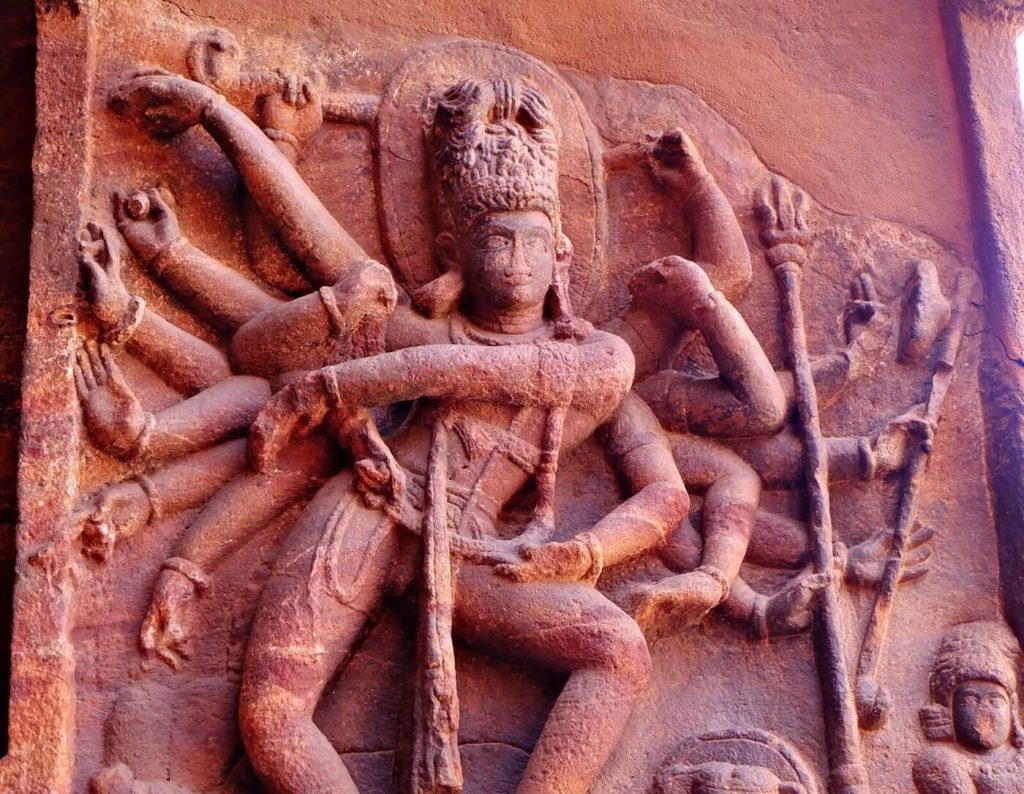
Cave 1
Dedicated to Lord Shiva, this cave features a prominent relief of Nataraja with eighteen arms. Observe the intricate carvings of the ceiling and pillars.
View the Shiva Nataraja carving from the left side angle.
Hampi and Badami sit 140 kilometres apart across the Deccan plateau, each anchoring a cluster of rock-cut temples, stepped tanks and fortified hills. Linking the two into a single journey requires deciding which satellites to include, where to spend the night, and how to sequence the caves so the light works in your favour. This itinerary lays out the logistics.
Quick answer
A well-paced hampi badami tour itinerary spans two to three days, with one full day in Hampi, an overnight stop in Badami, and morning exploration of the four cave temples before continuing to Aihole and Pattadakal if time permits. The 140-kilometre drive between the two towns takes three hours on NH 50, allowing an afternoon departure from Hampi to reach Badami by evening. Badami's caves open daily from 09:00 to 17:30, with the best light and coolest temperatures between 09:00 and 11:00.
The Tungabhadra basin and the Malaprabha valley hold two of India's densest concentrations of early medieval architecture, separated by a three-hour drive through red earth and scattered settlements. Hampi sprawls across 40 square kilometres of boulder hills and ruined pavilions; Badami compresses its drama into four carved cave sanctuaries facing a man-made lake. Travellers who allocate only one day to each site miss the satellites that complete the picture—Aihole's experimental temples, Pattadakal's Chalukyan masterworks, and the sunrise vantage from Matanga Hill in Hampi. A practical hampi badami tour itinerary begins with a full day in Hampi, starting at the Virupaksha Temple before the 08:00 crowd arrives, then moving through the Vittala Temple complex, the Lotus Mahal, and the Hemakuta Hill sunset viewpoint. Sleep in Hospet or Hampi village, then depart mid-morning for Badami, arriving by early afternoon. Check into a lakeview guesthouse and spend the remainder of the day walking the fort hill or circling Agastya Lake. Reserve the second morning for the cave temples, which face east and catch direct sun until late morning; the climb involves roughly 100 steps across all four caves. Entrance costs 200 rupees per person for foreign visitors. The third day, if your schedule permits, extends the circuit to Aihole—33 kilometres northeast—and Pattadakal, another 20 kilometres along the same road. Aihole holds over a hundred temples spanning the 6th to 12th centuries, many of them prototypes for the styles that later crystallised at Pattadakal. The Durga Temple's apsidal plan and the Lad Khan Temple's post-and-beam hall reward an hour each. Pattadakal, a UNESCO World Heritage Site, condenses ten major temples into a single manicured precinct; the Virupaksha Temple here mirrors the one in Kanchipuram and demonstrates the Chalukyan synthesis of Dravidian and Nagara forms. Both sites open at 09:00, and a sunrise departure from Badami allows you to cover both before the midday heat peaks. Road conditions on NH 50 are serviceable; expect one toll plaza and moderate truck traffic. Mobile coverage is continuous, but petrol stations thin out between Hospet and Badami, so refuel in Hospet. The shoulder months of October through February offer the most comfortable walking temperatures. Badami's accommodation stock leans toward budget guesthouses; book ahead if travelling on a weekend or public holiday. The heritage circuit connecting Hampi, Badami, Aihole and Pattadakal forms a rough triangle, and returning to your starting city—whether Bengaluru, Hubballi or Goa—usually involves retracing part of the route unless you arrange a one-way drop.
“The Tungabhadra basin and the Malaprabha valley hold two of India's densest concentrations of early medieval architecture, separated by a three-hour drive through red earth and scattered settlements.”
This itinerary suits travelers combining Hampi's ruins with Badami's cave temples in a two- to three-day circuit. Allocate a full morning in Badami to explore all four cave complexes and the fort climb without rushing.
Begin with the southernmost cave, carved in the 6th century with a dramatic Nataraja panel. Spend 20–25 minutes studying the bracket figures and column capitals before the sun heats the rock face.
Move sequentially through Cave 2's smaller Vishnu shrine, then Cave 3, the largest and most ornate, with its Trivikrama and Varaha reliefs. Budget 45 minutes total; Cave 3 alone warrants half that time.
Climb to the Jain cave at the north end, noting the shift in iconography to Mahavira and Parshvanatha figures. The terrace here offers a clear view across the Agastya Lake; allow 20 minutes.
Tackle the 100-step climb to the fort ruins while temperatures are still manageable. The upper ledges frame the town and tank below; plan 30–40 minutes for the round trip.
Descend and walk the tank perimeter, passing the Bhutanatha temples on the water's edge. This stretch takes 15–20 minutes and works as a cool-down before departing for your next stop.
The best time to visit Badami is during the cooler months between October and March to avoid the intense heat of the Deccan plateau. Planning your arrival for the 09:00–11:00 window ensures a comfortable experience while navigating the site's stone steps.
Pleasant, 18°C to 30°C
This is the peak season for exploring outdoor rock-cut monuments comfortably.
Hot, reaching 40°C+
Temperatures are high, making midday exploration difficult.
—
Arriving between 09:00–11:00 helps avoid the mid-day heat and large crowds.
Verdict: Visit between November and February, arriving promptly between 09:00 and 11:00 to maximize comfort and minimize crowd exposure.
The sites included in the Hampi to Badami tour itinerary maintain a consistent daily operating schedule throughout the week.
Badami is located approximately 140 kilometers north of Hampi in the Bagalkot district of Karnataka. The most direct approach is via private taxi or hired car, though rail and bus options are available for those preferring public transit.
NH50 and SH57 via Kushtagi
Hospet Junction to Badami Station (via Hubballi)
KSRTC service from Hospet to Badami
For the best experience, aim to arrive between 09:00–11:00 to avoid mid-day heat and large crowds. Please note that visitors must ascend 100 steps to access the primary rock-cut cave temples.
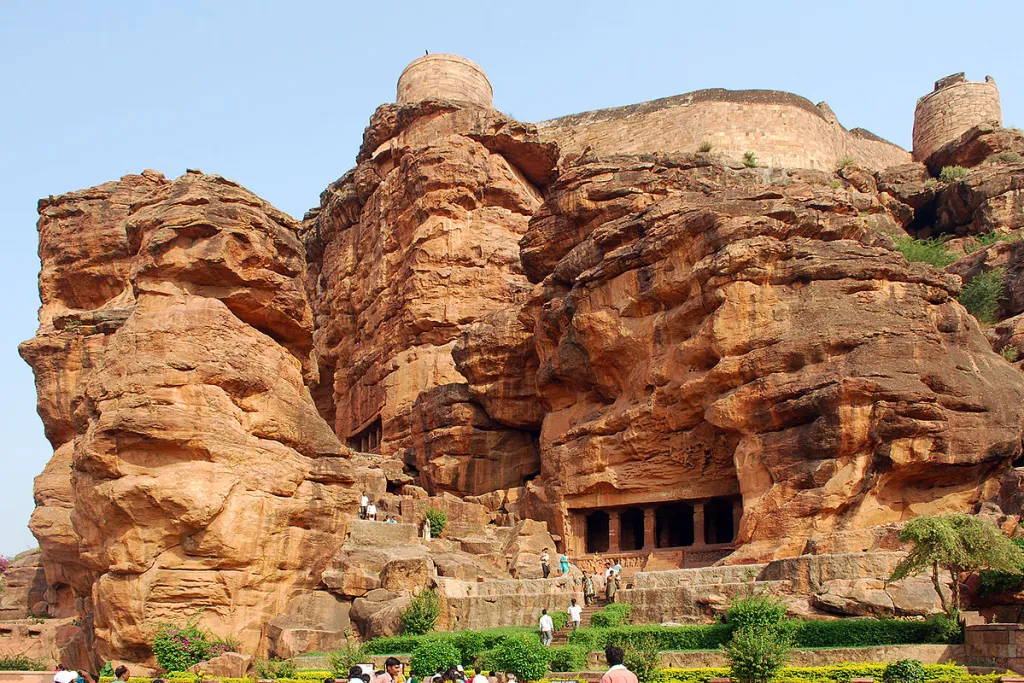
The Badami Cave Temples, carved into the sandstone cliffs, represent a significant phase of Chalukyan architecture. These four main caves offer insights into the religious and artistic development of the 6th and 7th centuries.
Dedicated to Lord Shiva, this cave features a prominent relief of Nataraja with eighteen arms. Observe the intricate carvings of the ceiling and pillars.
View the Shiva Nataraja carving from the left side angle.
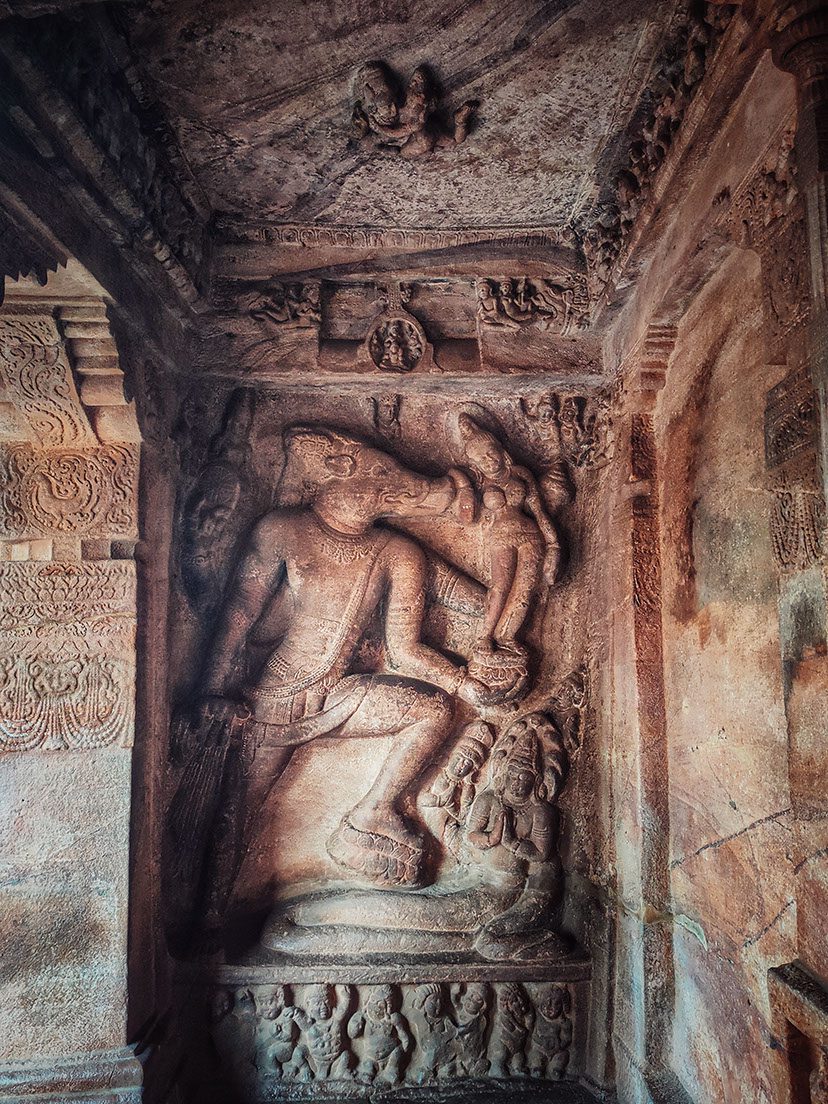
Primarily dedicated to Lord Vishnu, this cave is accessed by a flight of stairs and contains reliefs of Trivikrama and Varaha. The ceiling is decorated with geometric patterns and lotus motifs.
Look for the Vishnu as Varaha relief in the corner.
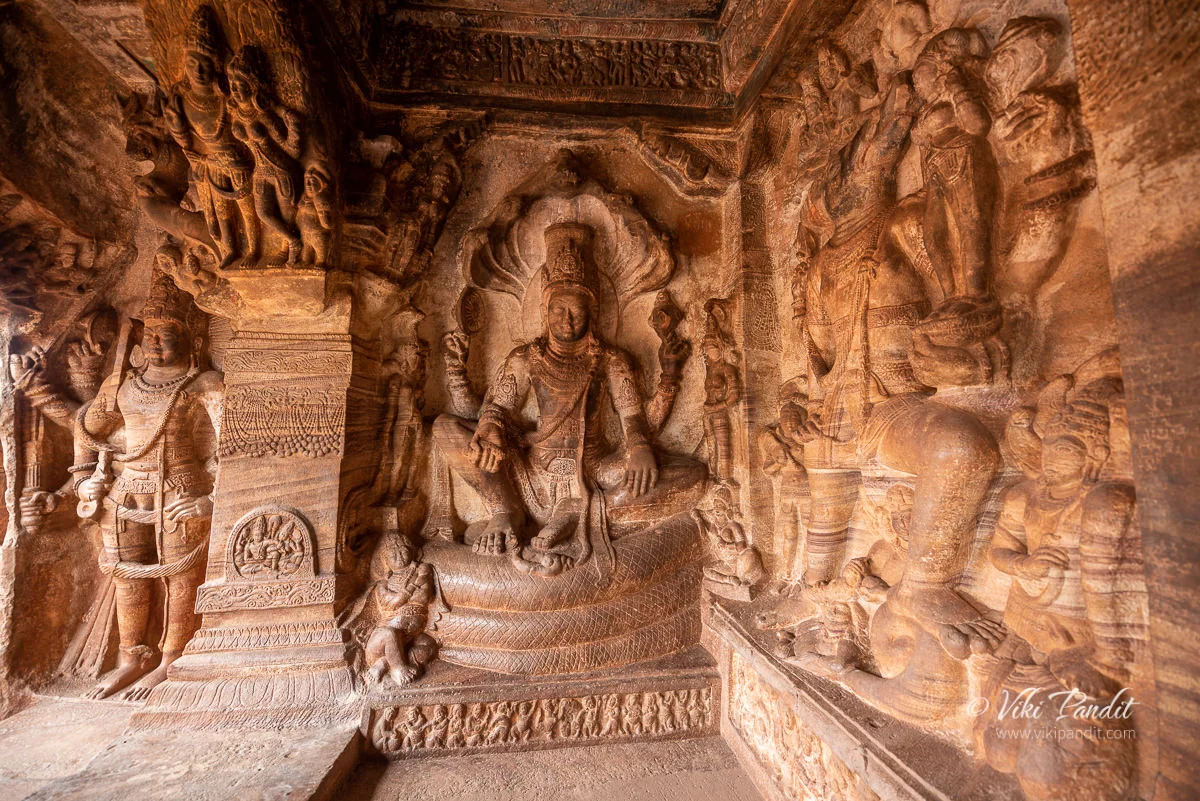
The largest of the group, this cave showcases elaborate craftsmanship, including massive pillars and detailed sculptures of various Hindu deities. It is dated to 578 CE based on inscriptions.
Inspect the ceiling paintings near the entrance for remnants.
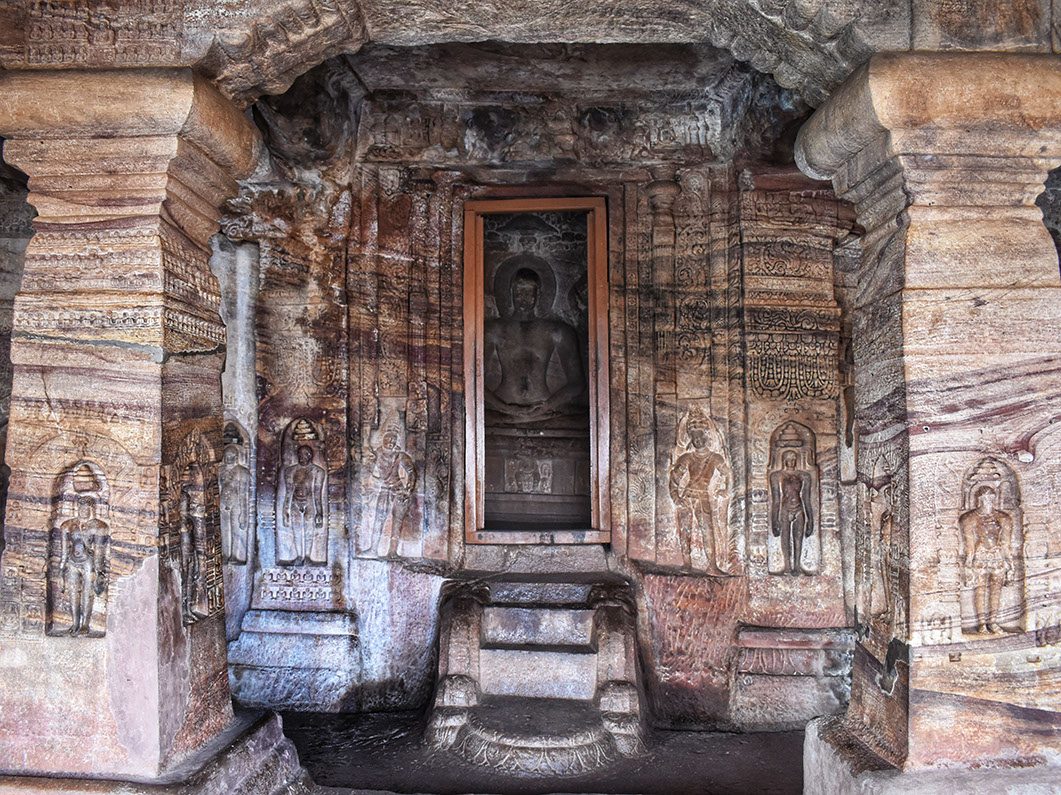
This Jain cave temple is situated at the highest point of the cliff, featuring a statue of Mahavira. It offers a clear view of the Agastya Tirtha reservoir below.
Capture the view of the Agastya Tirtha from here.
Visitors extending their exploration beyond the primary Badami cave complex can access several significant historical sites within a short distance. These locations provide further context to the Chalukyan architectural evolution in the region.
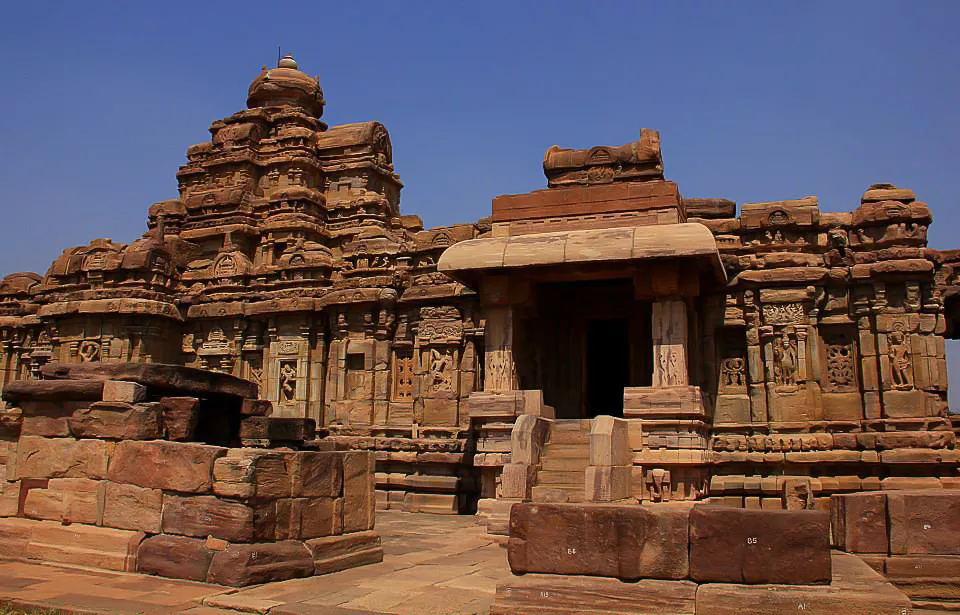
22 km
This UNESCO World Heritage site features a group of 8th-century temples that show the transition from North to South Indian architectural styles.
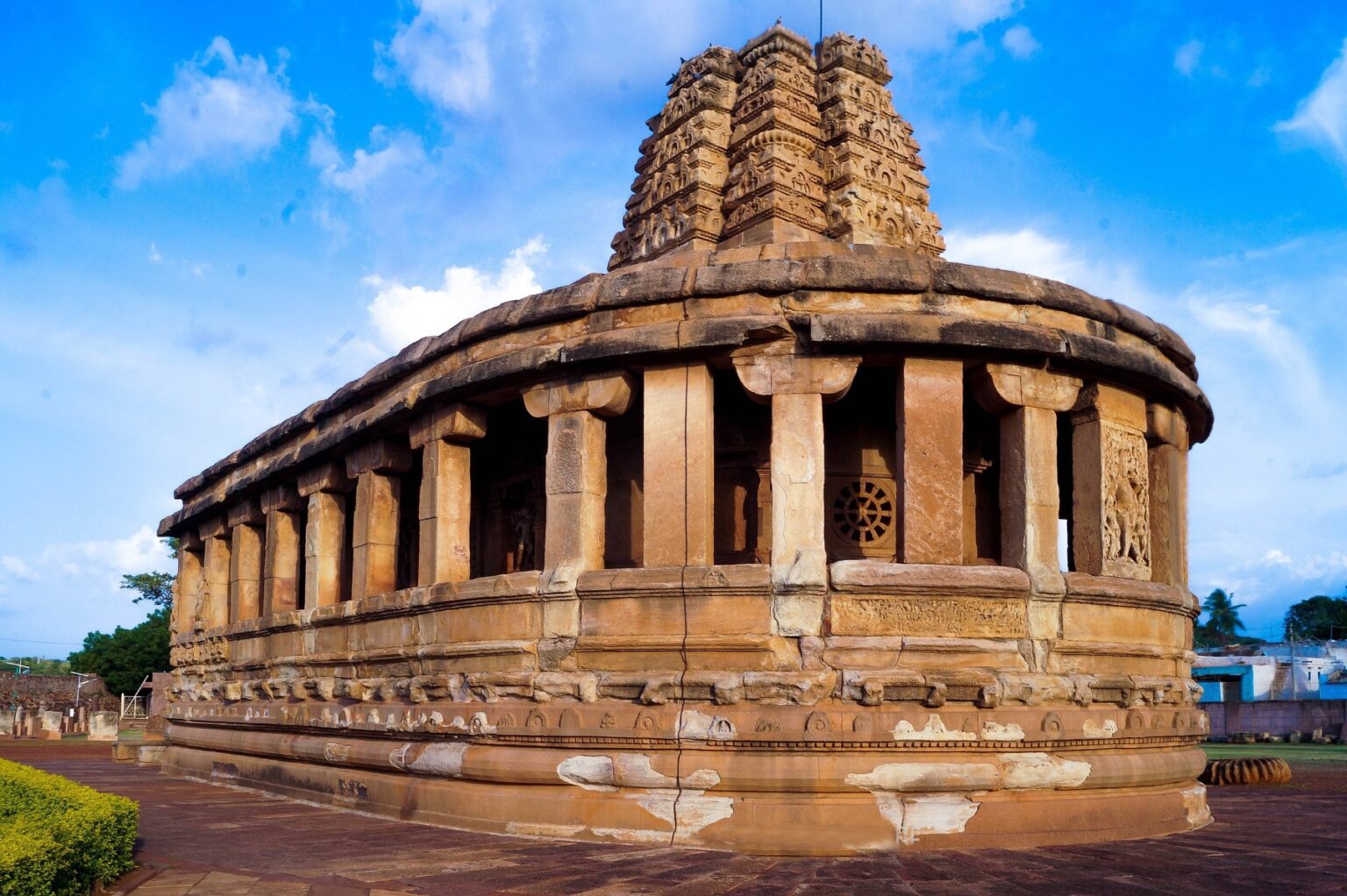
34 km
Often called the cradle of Indian rock architecture, this village contains over 100 temples dating back to the 6th century.
5 km
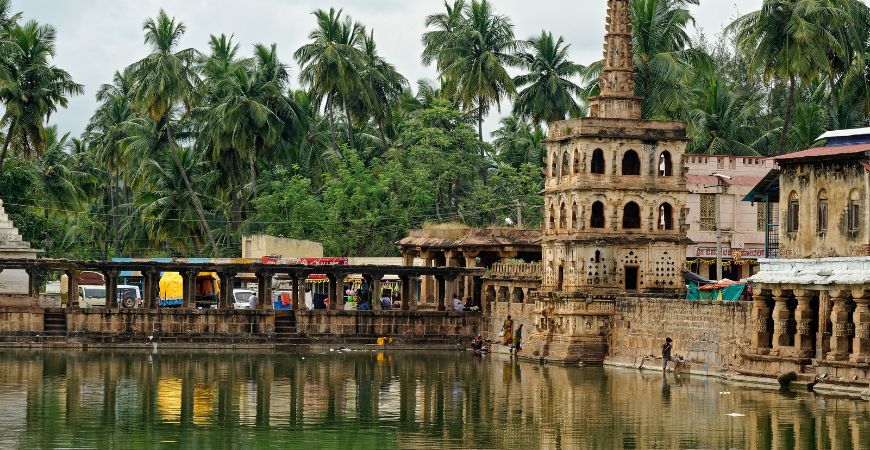
A historic 7th-century temple dedicated to Goddess Banashankari, known for its unique Dravidian style and local religious significance.
Everything you need to know about hampi badami tour itinerary
A typical trip covering both heritage sites effectively requires at least three to four days. This allows sufficient time to travel between the locations and explore the architectural landmarks properly. Traveling between these UNESCO heritage areas takes several hours by road, so planning your hampi badami tour itinerary carefully is essential. You can arrange local guides upon arrival at the cave complexes to gain deeper insight into the Chalukyan architecture. Many visitors prefer hiring a private taxi for their hampi badami tour itinerary to maintain a flexible schedule. These guides are often familiar with the intricate sandstone carvings and historical context of the region. Integrating a visit to the cave temples into your hampi badami tour itinerary is straightforward as they are centrally located in the town. You should allocate at least half a day to explore the four distinct caves and the surrounding Agastya Lake. Most visitors start their day here before heading to nearby sites like Pattadakal or Aihole. To avoid mid-day heat and large crowds, the best arrival window for your hampi badami tour itinerary is between 09:00 and 11:00. This timing also provides better lighting for photography of the rock-cut facades. Arriving early ensures a more peaceful experience before the peak visitation hours begin. There are 100 steps to climb to access the main cave structures. Comfortable footwear is recommended for navigating these stone stairs and the uneven terrain around the monuments. Please account for this physical requirement when planning your visit. The entrance fee for foreign visitors is 200 INR per person. Please ensure you have local currency available as ticket counters may not accept digital payments.
Day Trip to Badami from Hampi
Read more Tickets & toursHampi Badami Tours From Mumbai
Read more GuideDistance Between Hampi and Badami
Read more Tickets & toursHampi Badami Tours From Pune
Read more Tickets & toursHampi to Badami Tour Packages
Read more GuideTop Tourist Places in Hampi and Badami
Read more Tickets & toursHampi Badami Tours From Bangalore
Read more